
When determining what to do with an inherited gun collection, you must first secure the firearms and create a comprehensive inventory of all models and serial numbers. You can then choose to legally transfer the items to yourself, sell them to a licensed dealer, or consign them through an auction house to ensure compliance with state and federal laws.
Inheriting a firearm collection often feels less like a windfall and more like an overwhelming responsibility. You are suddenly balancing sentimental value against strict legal requirements; all while worrying about the safety of these items within your home. Navigating Vermont's specific statutes and ensuring every piece is handled with mechanical care is not just about regulatory compliance. It is about protecting your family and preserving your legacy. This guide provides a clear, practical roadmap for managing your new inheritance. We will cover the immediate steps for securing the collection, the process of conducting a detailed inventory, and the nuances of state law. You will also learn how to weigh the benefits of keeping, selling, or consigning your firearms. By the end, you will understand how to secure an accurate valuation and why local expertise is your greatest asset during this transition.
Step 1: Prioritize Safety and Security First
The most critical moment when figuring out what to do with an inherited gun collection occurs before you even start the inventory. Safety is the immediate priority. Many firearms in estate collections have remained untouched for years or even decades; this neglect can lead to mechanical instability or hidden rounds in the chamber. Do not pull triggers, cycle actions, or attempt to dry fire any weapon if you are not intimately familiar with its specific operation. Even a firearm that appears old and dusty can still be loaded and functional.
Examine each piece for visible ammunition. If you are unsure how to safely clear a firearm, leave it alone and contact ELC Pews or another professional. Secure the entire collection immediately in a locked gun safe, a sturdy cabinet, or a dedicated room with a deadbolt to prevent unauthorized access. Long term storage in Vermont basements or attics often results in neglect, such as surface rust or seized components. If the firearms show signs of corrosion or pitting, ELC Pews offers professional firearm cleaning to stabilize the metal and preserve the value of the pieces. Keeping these items secure and untouched is the first step in protecting both your household and the legacy of the collection.
Creating a Detailed Inventory of the Firearms
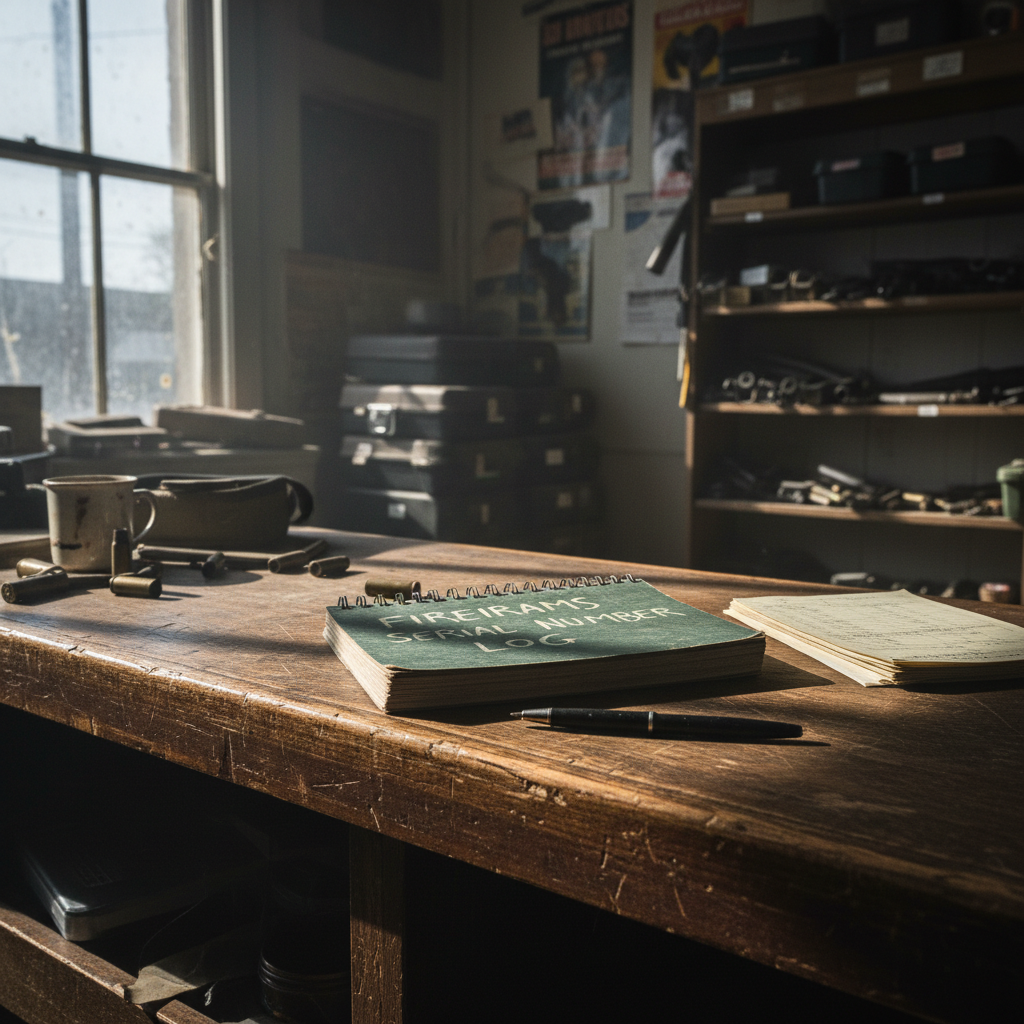
Once the firearms are secured and cleared, you must establish a comprehensive logbook. This step is essential for accurate record-keeping and serves as the primary document for future FFL transfer services or appraisals. When you are determining what to do with an inherited gun collection, a clear inventory prevents legal errors and ensures you receive a fair value for the estate.
Create a table or spreadsheet with the following data points for every item in the collection:
Item Detail | Description | Example |
|---|---|---|
Make | The manufacturer of the firearm | Smith & Wesson, Ruger, Winchester |
Model | The specific name or number designation | Model 70, M&P9, Super Blackhawk |
Caliber/Gauge | The specific ammunition the gun uses | .30-06, 9mm, 20 Gauge |
Serial Number | The unique identifier stamped on the metal | Found on the frame or receiver |
Finding this information requires a close inspection. The manufacturer and caliber are almost always stamped on the barrel. Serial numbers on handguns are typically found on the frame, often near the trigger guard or on the butt of the grip. For rifles and shotguns, the serial number is usually located on the side or top of the receiver. If you encounter an older firearm, check for markings carefully; many vintage pieces may have serial numbers in less obvious places, such as the underside of the frame or the tang.
Differentiate between modern firearms and older pieces. Federally, a firearm manufactured in or before 1898 is considered an antique and is subject to different regulations than modern guns. Items at least 50 years old may be classified as Curios and Relics (C&R), which can influence both the legal requirements for a eventual transfer and the interest level from specialized collectors. If you cannot find a serial number or are confused by the markings, contact ELC Pews for professional assistance in identifying the specific pieces in your care.
Understanding Vermont Firearm Inheritance Laws
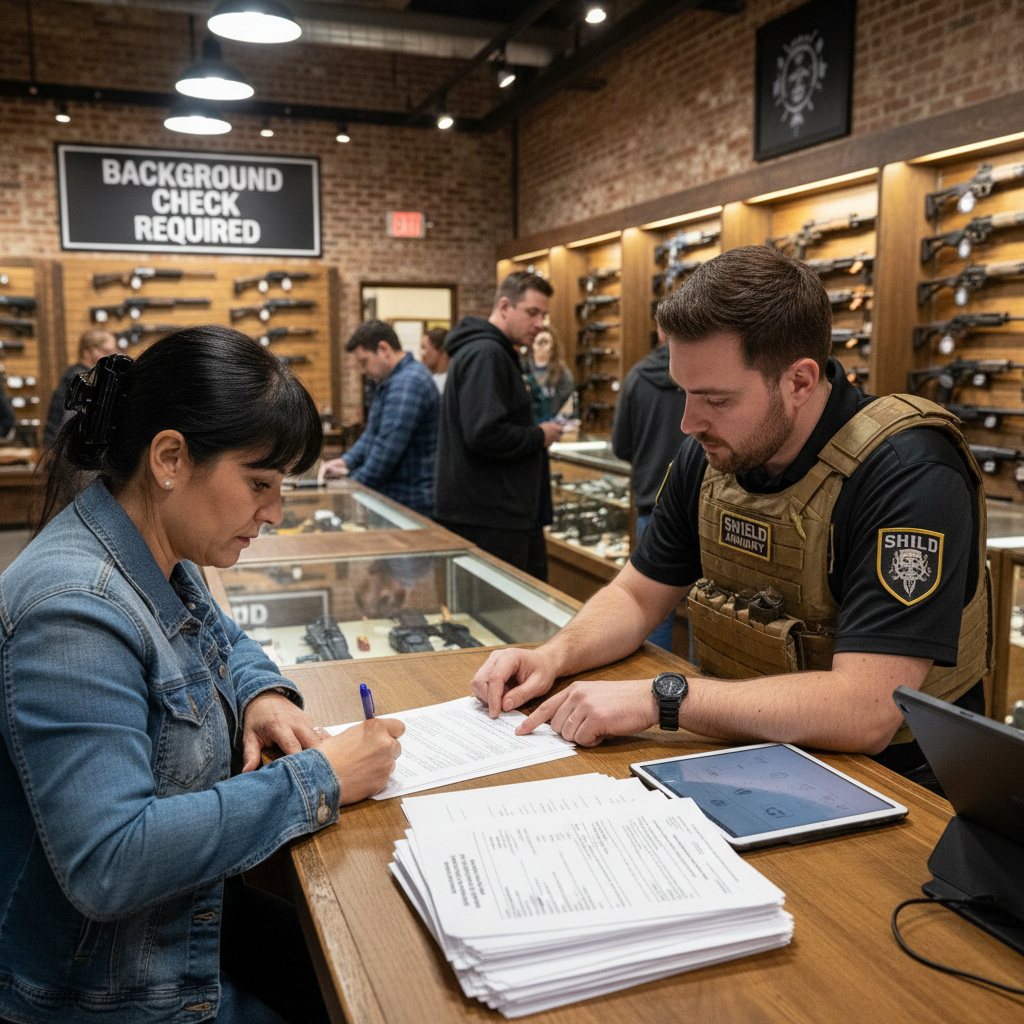
A common question for heirs is whether they must register their newly acquired firearms with the state. In Vermont, the answer is straightforward: the state does not maintain a firearm registry. There is no government database where you are required to list the serial numbers or owners of standard rifles, shotguns, or handguns. Ownership is established through the legal process of settling the estate rather than a state-mandated filing.
While registration is not required, you must still navigate the nuances of Vermont's Universal Background Check laws, primarily established under Act 94. Under Vermont law, the transfer of a firearm to a beneficiary through a will or through intestate succession (when someone dies without a will) is a recognized exception to the background check requirement for the initial transfer. This means the heir can generally take possession of the collection directly from the estate.
The executor plays a pivotal role during this transition. As the temporary legal custodian of the assets, the executor is responsible for securing the firearms and ensuring they are distributed to the correct individuals. The executor must also ensure they do not knowingly transfer a firearm to a "prohibited person," such as someone with a felony conviction or an active restraining order. If the executor is uncomfortable handling the firearms or verifying the legal status of heirs, they can contact ELC Pews to discuss secure storage or professional assistance.
It is important to distinguish between inheriting the collection and what you do with it next. If you decide to sell or give a firearm to a third party, such as a family friend or a neighbor, Vermont law requires that the transaction be processed through a licensed dealer. These subsequent sales must utilize FFL transfer services to ensure the new buyer passes a background check. Failing to use a licensed dealer for these private sales can lead to significant legal liability for the seller.
How to Get a Gun Collection Valued: Appraisal vs. Cash Offer
Determining the value of a firearm involves analyzing several variables that generic online guides often overlook. To answer the common question, how do you know the value of a gun, you must first define the purpose of the valuation. There is a significant difference between an insurance appraisal and a fair market cash offer.
Valuation Type | Purpose | Typical Outcome |
|---|---|---|
Insurance Appraisal | Protection against loss or theft | Estimated retail replacement cost |
Fair Market Value | Liquidation or sale to a dealer | Immediate cash or trade-in value |
An insurance appraisal reflects what it would cost to buy a similar firearm in a retail environment today. This is usually the highest possible number. In contrast, a fair market value or cash offer represents the actual amount a buyer will pay you immediately. Relying solely on national price guides or digital blue books can be misleading because firearm condition is highly subjective. A rifle that appears fine to an untrained eye might have a bore with significant lead fouling or mechanical wear that only a professional can spot.
Beyond the physical condition, completeness matters. Original factory boxes, hang tags, and manuals can add twenty percent or more to the value of certain pieces. In our region, Vermont-specific provenance also influences the price. A classic wood-stocked hunting rifle with a documented local history often holds more appeal in Rutland than a generic modern equivalent.
If you are navigating the complexities of what to do with an inherited gun collection, contact ELC Pews for a professional assessment. We provide honest valuations based on current market demand and the specific nuances of your firearms. If the collection has been stored poorly, we can also perform professional firearm cleaning to stabilize the items and ensure they are valued in their best possible light.
The Three Paths: Keeping, Selling, or Consigning the Collection
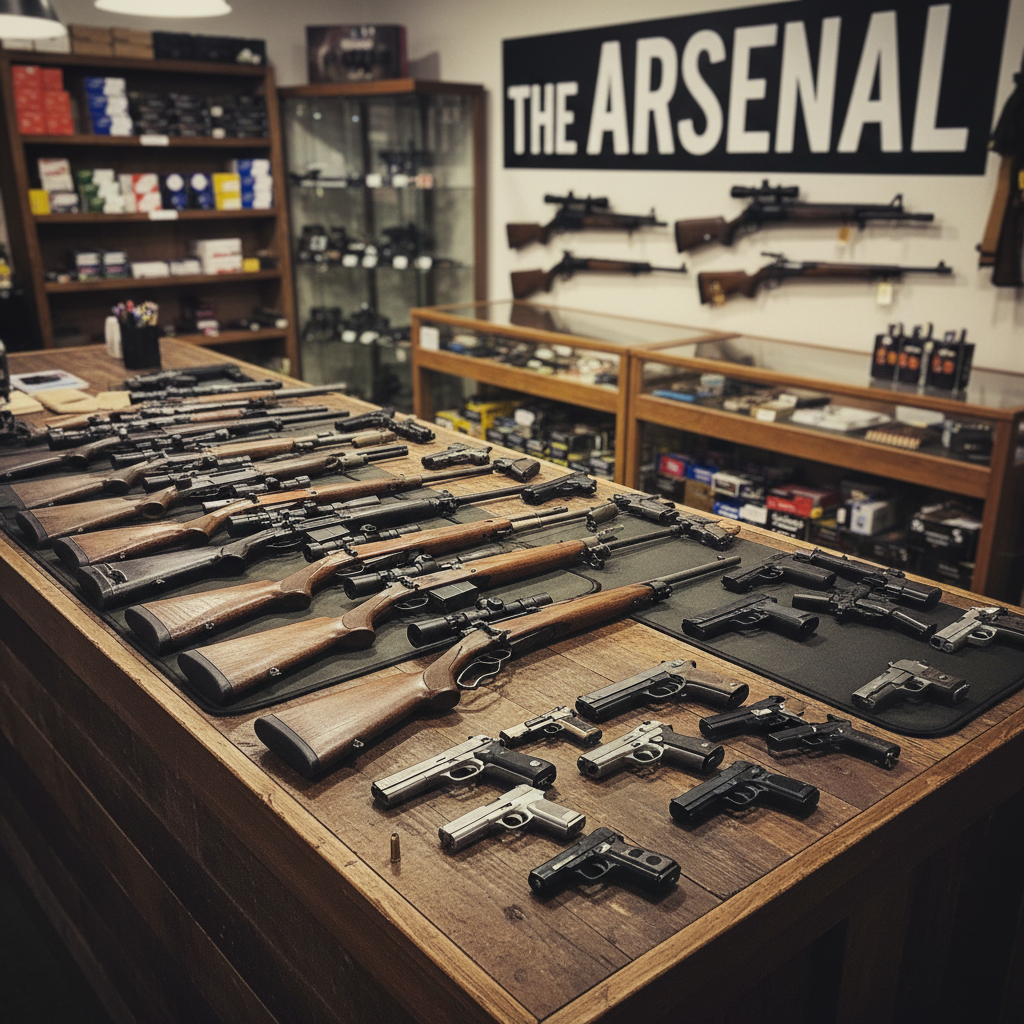
Once you have established an inventory and received a professional valuation, you must decide how to move forward. This decision typically falls into one of three categories, each with its own set of responsibilities and legal requirements.
Path | Primary Benefit | Legal & Maintenance Load |
|---|---|---|
Keeping | Preserves family history and legacy | High; requires secure storage and rust prevention |
Selling | Immediate cash and total liability transfer | Low; the dealer handles all paperwork and checks |
Consigning | Potential for higher final payout | Moderate; involves a fee and a waiting period for sale |
Keeping the firearms allows you to preserve a piece of family history. However, this path requires a commitment to active stewardship. Vermont's fluctuating humidity can cause rapid deterioration of blued steel and wood stocks; you will need a secure, climate-controlled safe equipped with a dehumidifier. If the collection has been neglected, schedule professional firearm cleaning to strip away old, acidic grease and apply a fresh protective barrier. Without regular maintenance, the physical condition and financial value of these items will degrade over time.
Selling the collection to a reputable local shop is the most efficient, no-drama route for those who do not wish to manage the items long term. Attempting a private sale in Vermont involves significant legal hurdles, as you must still coordinate with a dealer for FFL transfer services to complete the mandatory background check. Selling directly to ELC Pews removes the liability from the estate immediately. You avoid the low offers typical of generalist pawn shops and the safety risks of meeting unknown buyers from the internet. We handle the record keeping and background checks, ensuring the transition is legally airtight.
Consignment serves as a middle ground for heirs with high value collections who can afford to wait for the right buyer. The shop manages the marketing and legal transfer for a percentage of the final sale. This is often the best choice for rare or specialized pieces where reaching a specific collector base is necessary to achieve a premium price. If you are unsure which path fits your situation, contact ELC Pews to discuss the best strategy for your specific inventory.
Dealing with Specialized Items: NFA Class 3 and Antiques
Executors often encounter specialized items that cause concern during the inventory process. National Firearms Act (NFA) items, frequently called Class 3, include suppressors, short-barreled rifles, and machine guns. These require specific federal handling. If the decedent owned these legally, they should have original registration paperwork or tax stamps. To move these items to a beneficiary, you must file ATF Form 5. This form facilitates a tax-exempt transfer from the estate, but the process is strictly regulated and requires precision.
Conversely, firearms manufactured in or before 1898 are classified as antiques. These are generally exempt from modern federal regulations, though they still require careful appraisal to determine their historical value. When determining what to do with an inherited gun collection containing these specialized items, legal compliance is paramount. If you find a silencer or a weapon capable of fully automatic fire, do not transport them without verifying their status. Possession of an unregistered NFA item carries severe penalties. Contact ELC Pews for assistance in identifying these items and navigating the necessary FFL transfer services to ensure the estate remains legally protected.
Why Rutland Heirs Trust Local Experts Over National Buyers
National websites often provide lower offers because they must account for heavy shipping costs and corporate overhead. When deciding what to do with an inherited gun collection in the Rutland area, working with local experts ensures the process remains personal. We understand the specific demands of the Vermont market; we know which traditional deer rifles are highly sought after by local hunters.
Unlike faceless digital buyers, we offer face to face consultations that respect the history of each piece. You can contact ELC Pews to bring items in directly, avoiding the risks of shipping firearms across state lines. We provide the FFL transfer services and professional firearm cleaning necessary to settle the estate with transparency and respect for your family's legacy.
Managing an inherited gun collection in Vermont requires a careful balance of legal knowledge and safety precautions. By prioritizing proper documentation and secure storage, you can ensure that you honor the legacy of the collection while staying within the law. If you feel overwhelmed by the details of valuation or the complexities of a transfer, seeking expert guidance can make the process much smoother. When you are ready to move forward, you may find that our Auction services offer a secure and professional way to handle your transition.