

No, you generally cannot, as the answer to can you store a gun in a storage unit is typically dictated by strict facility policies that prohibit firearms for safety and insurance reasons. Even if a facility permits it, the lack of specialized security and climate control makes standard units a poor choice for weapon protection. Gun owners should instead look for professional gun storage facilities or high-quality home safes to keep their items secure.
Finding enough room for a growing collection often leads gun owners to consider local self storage as a convenient overflow solution. While it might seem like a simple way to clear out the house, placing your firearms in a standard unit introduces a host of logistical and legal liabilities that most people overlook. Beyond the strict contractual prohibitions found in most lease agreements, there is the persistent threat of environmental damage and theft. In regions like Vermont, the fluctuating humidity levels can turn a high quality rifle into a rusted paperweight in a matter of months. This guide examines the specific risks of off site storage, the limitations of keeping a safe in a unit, and the superior alternatives that prioritize both the security and the condition of your firearms.
The Short Answer: Can You Store Firearms in a Self Storage Unit?
The question of whether you can store a gun in a storage unit doesn't have a single federal legal answer, but it has a very clear practical one. While no federal law exists that categorically criminalizes keeping a firearm in a rented storage space, the vast majority of private storage facility contracts explicitly prohibit it. When you sign a rental agreement, you are typically agreeing to a list of prohibited items that includes explosives, hazardous materials, and firearms.
Even if storing a firearm is not a criminal offense in your specific jurisdiction, it is almost certainly a breach of contract. Violating these terms gives the facility manager grounds for immediate eviction and termination of access. You could find yourself locked out of your own unit with a very short window to move your property elsewhere, all while being in a precarious legal position regarding the breach of the signed agreement.
In Rutland and throughout Vermont, our state laws are famously friendly toward gun owners. However, private business policies still dominate the storage industry. A facility's right to manage their liability insurance and safety risks outweighs your general right to carry or own a weapon. If you are looking for long-term solutions because you are downsizing, remember that we specialize in purchasing individual guns and private collections right here in the local community, which is a much safer alternative to a storage unit violation.
Why Most Storage Facilities Prohibit Guns and Ammunition
Understanding the logic behind these bans helps clarify the risks you take when trying to bypass them. For most facility owners, the decision is driven strictly by their liability insurance. Standard commercial policies for self storage businesses are designed to cover general household goods like furniture, clothing, and seasonal decor. They are not structured to cover high-value inventory or high-risk items. Ammunition, in particular, is classified by insurers as a hazardous or explosive material. If a fire were to occur, ammunition creates a significant danger for first responders, which can lead to massive legal liabilities and the potential denial of insurance claims for the facility owner.
Furthermore, facility managers view firearms as theft magnets. Even with gated access and cameras, storage units are frequent targets for break-ins because they provide a relatively unmonitored environment for thieves to work. If a criminal discovers a unit contains a collection, the entire facility becomes a higher priority target. National chains like U-Haul and Public Storage have recognized these security and insurance risks, implementing strict no firearms policies in their fine print to protect their business interests.
When you ask can you store a gun in a storage unit at a corporate facility, you are essentially asking them to take on a level of risk their business model cannot support. If you have a collection that you no longer have space for or are worried about keeping at home, you are better off speaking with us about purchasing individual guns and private collections. This removes the liability entirely rather than hiding it in a metal box where it is neither insured nor truly secure.
The Risk of Rust: Why Vermont Weather and Storage Units Don't Mix
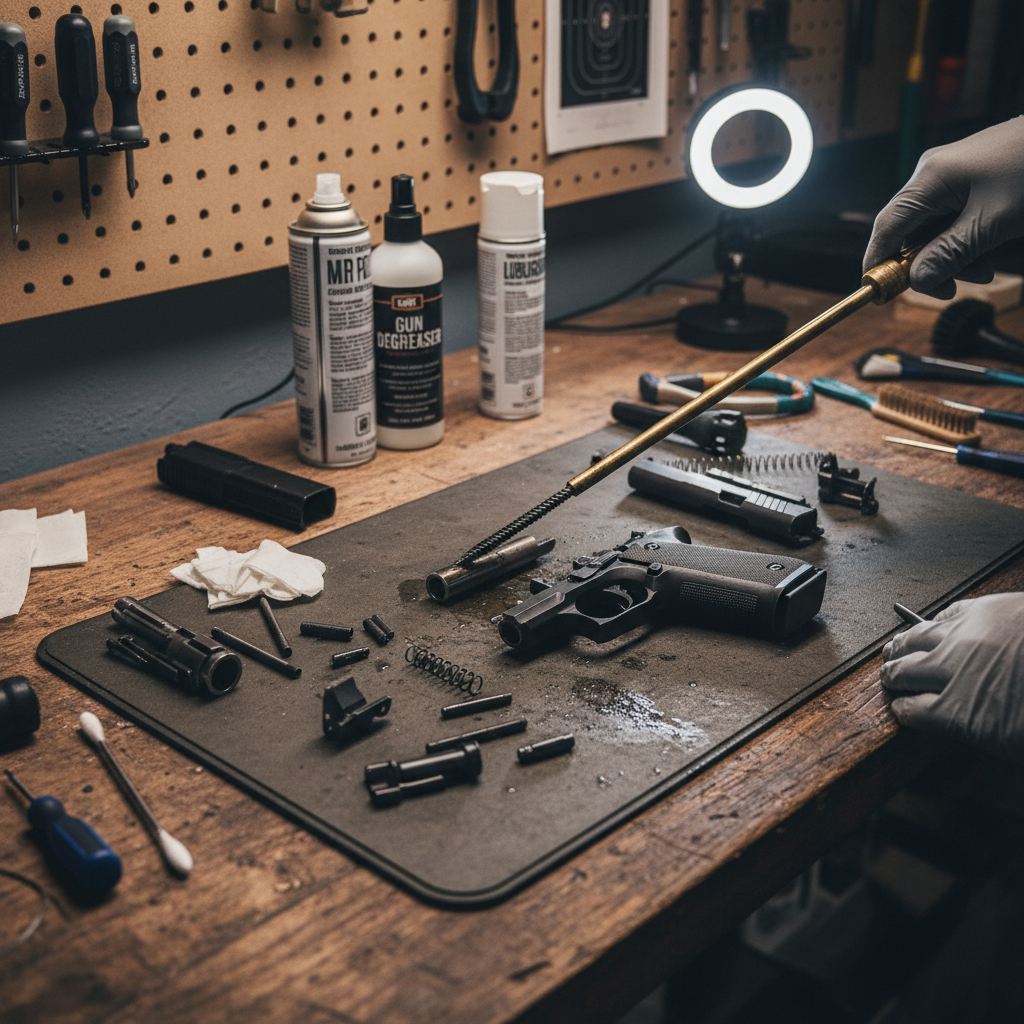
Beyond the legal and insurance headaches, there is a physical reality to Vermont that most national storage chains do not account for in their brochures. Our local climate is notoriously hard on precision machinery. In Rutland, we experience extreme temperature swings, ranging from humid, 90 degree summer afternoons to sub-zero winter nights. When you put a firearm inside a metal storage unit, you are essentially placing it in a giant conductor.
Metal units lack the insulation needed to regulate these shifts. As the outside temperature drops rapidly at night, the air inside the unit reaches its dew point, causing moisture to condense directly onto the cold steel of your firearms. This leads to rapid oxidation, or rust, which can pit barrels and seize actions in a matter of weeks. While modern finishes offer some protection, they are rarely a match for months of trapped moisture. Wood stocks face an even greater threat; as they absorb humidity and then dry out in the freezing cold, they can warp, swell, or develop deep cracks that ruin the firearm’s value and structural integrity.
If circumstances leave you wondering if can you store a gun in a storage unit safely, the answer is only with extreme preparation. Any firearm entering a non-climate-controlled environment requires a professional firearm cleaning and a heavy application of high-viscosity oil or a specialized long term storage grease. Simply wiping it down with a rag is not enough to combat Vermont’s humidity. Without a deep clean and a total moisture barrier, your collection is likely to sustain permanent damage before you even move out of the unit.
Insurance and Liability: The Hidden Danger of Off-Site Storage
Beyond the physical damage caused by Vermont’s climate, the financial and legal liability of off-site storage is a significant, often overlooked risk. Many people assume their existing homeowner’s or renter’s insurance covers their property regardless of location. However, most standard policies include specific sub-limits for firearms, typically capping coverage between $1,500 and $2,500 for the entire collection. When these items are moved off-premises, that coverage may be further restricted to a small percentage of the sub-limit or excluded entirely.
Relying on the protection plan offered by the storage facility is equally precarious. These plans are designed for general household goods like furniture or clothes; they almost universally exclude high-value items, explosives, and firearms. If a break-in occurs, the facility will not reimburse you for the value of the firearms.
Furthermore, if a stolen firearm is traced back to a unit where it was stored in violation of the rental agreement, you face a massive legal headache. You may be held civilly liable for negligence if the firearm is later used in a crime, especially since you knowingly bypassed the facility's safety policies. If the complexity of insuring and securing your gear makes you wonder can you store a gun in a storage unit safely, the answer is rarely found in a rental contract. For those looking to simplify their responsibilities, we assist the local community by purchasing individual guns and private collections to provide a secure, legal alternative to off-site storage.
Can You Keep a Gun Safe in a Storage Unit?
Many owners wonder if a gun safe changes the practical rules for whether can you store a gun in a storage unit. While a safe is a robust piece of equipment, placing one inside a storage unit is often counterproductive. The safe itself is essentially a heavy box that signals to thieves that there is something valuable inside. In an unmonitored facility, a burglar has the luxury of time. Even a high-quality safe can be defeated with power tools if a thief has hours of privacy, which is exactly what a storage locker provides.
Crucially, a safe does not grant you an exemption from your rental agreement. If your contract prohibits firearms, placing them inside a locked container does not change the nature of the prohibited items. You are still in breach of contract and liable for eviction. If you are considering a safe because your home space is limited, remember that we assist the local community by purchasing individual guns and private collections, providing a clean exit from ownership rather than a risky, off-site storage gamble.
What About Storing Ammunition?
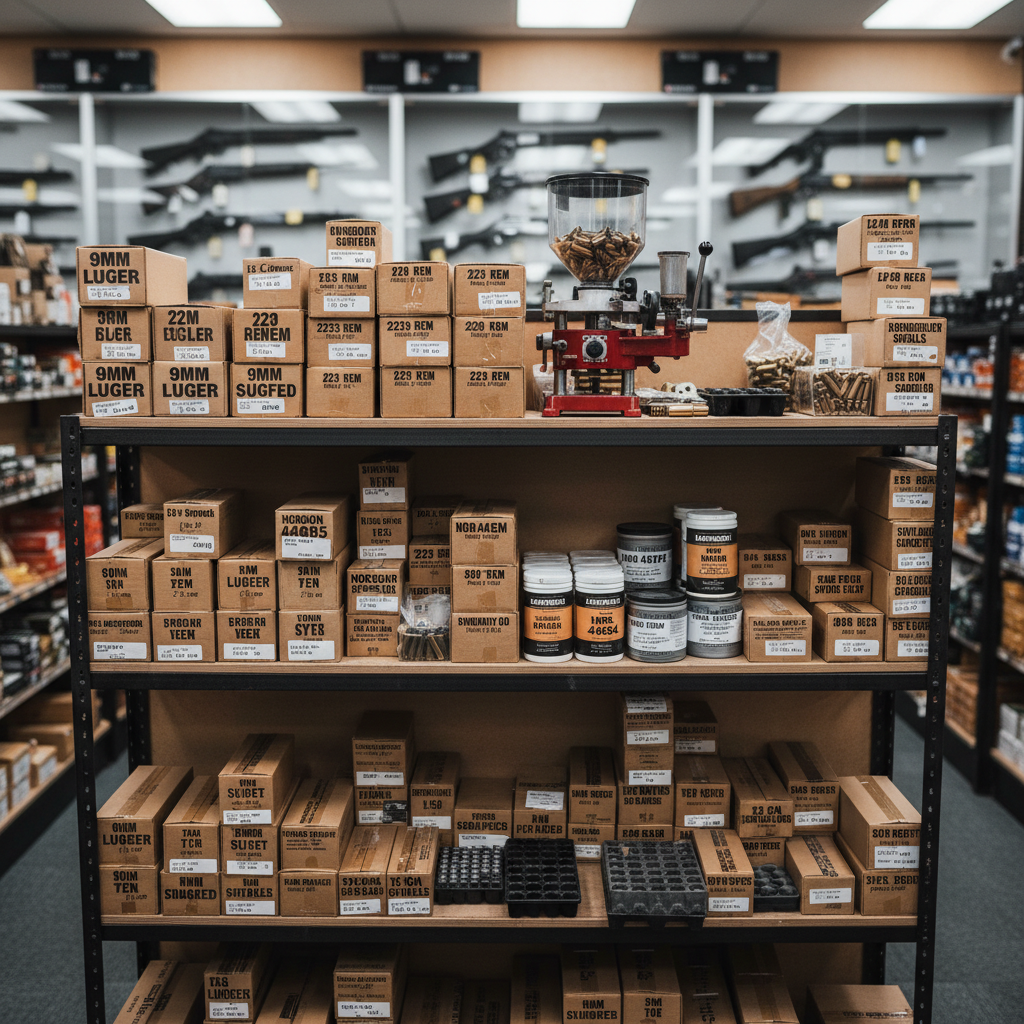
Ammunition is subject to even stricter scrutiny than the firearms themselves. While a facility manager might occasionally overlook the question of whether can you store a gun in a storage unit, they will almost universally prohibit ammunition. Under standard rental contracts and insurance protocols, ammunition is classified as a hazardous or explosive material. This classification places it in the same category as gasoline, propane, or industrial chemicals, which are strictly forbidden on the premises.
The primary concern is fire safety. In the event of a facility fire, stored ammunition presents a significant risk to first responders. Ammunition creates a volatile environment for fire crews; when cartridges 'cook off' during a structure fire, they create unpredictable hazards that can delay emergency response. If your ammunition complicates the fire department's ability to safely extinguish a blaze, the legal ramifications are severe. You could be held personally liable for massive property damage or injuries to firefighters. If you have a stockpile you cannot store safely at home, we recommend a professional firearm cleaning for the gear you keep and contacting us about purchasing individual guns and private collections to handle the rest responsibly.
Better Alternatives for Long Term Firearm Storage
Instead of wrestling with the risks of a rental contract, choose a solution that protects the value of your equipment. For local owners, the most reliable option is a high quality home safe. In the Rutland area, a safe must be more than just a locked box; it requires a dehumidifier rod or a desiccant system to combat our variable humidity. Placing your safe in a temperature controlled room, like a finished basement or a main floor closet, prevents the condensation issues common in unheated spaces.
If home storage is not an option, certain FFLs provide professional firearm storage for a recurring fee. This keeps your firearms in a secure, climate-controlled environment that is fully compliant with state and federal laws. If you are moving or in a temporary living situation, this professional oversight is far superior to a generic storage locker.
If you find yourself still asking can you store a gun in a storage unit after considering the risks, it may be time to look at permanent alternatives. If the primary reason for seeking storage is that you no longer hunt or shoot, selling the items is the most practical path. Rather than paying a monthly fee to keep a collection in a dark corner, you can liquidate those assets. At ELC Pews, we specialize in purchasing individual guns and private collections from our neighbors in the Vermont community. We provide a fair, professional assessment of your gear. If your firearms need attention before being sold or stored elsewhere, we also offer professional firearm cleaning to restore the finish and ensure mechanical reliability.