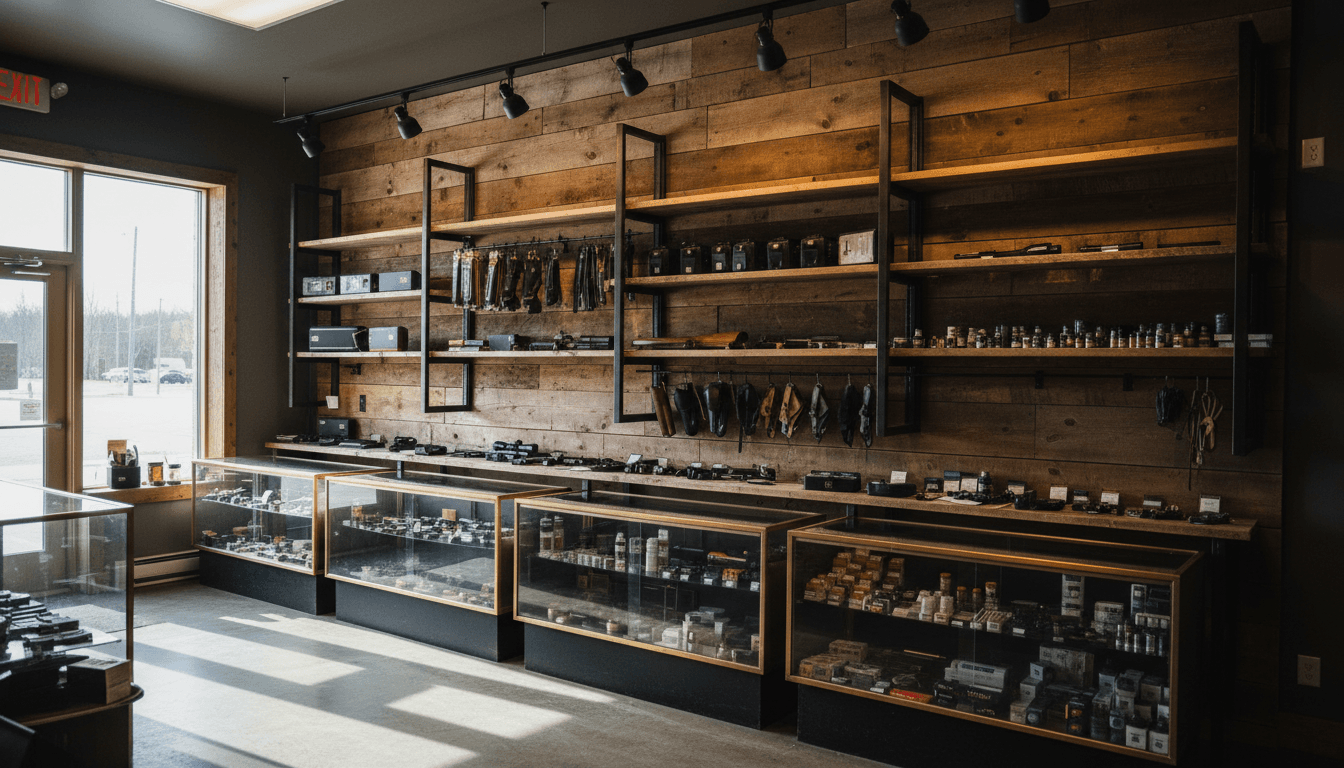
You generally can conceal carry in a gun store as long as you comply with local laws and individual store policies. While many retailers welcome holstered firearms, some businesses require guns to be unloaded or cased; therefore, you should always check for posted signs or call ahead before entering.
Walking into a local shop like ELC Pews with a firearm on your hip often sparks a moment of internal debate. You want to exercise your rights, yet you never want to be the person who makes the staff reach for their own holsters. For Rutland shooters, navigating the intersection of Vermont constitutional carry and private property rights is about more than just legal compliance. It is about respect, safety, and professional etiquette. In this guide, we will break down the nuances of carrying inside a gun store, clarify the difference between law and shop policy, and explain how to handle FFL transfers without causing a scene. You will learn exactly when to keep your sidearm holstered, how to interpret those 'no loaded firearms' signs, and the best practices for bringing in a piece for service.
Navigating Gun Store Policies for Concealed Carry
Vermont shooters operate in a unique environment where constitutional carry is the long-standing norm. In Rutland, carrying for self-defense is a common part of daily life. However, a frequent point of confusion arises when walking up to the door of a local shop: can you conceal carry in a gun store? It may seem contradictory to see restrictive signs at a business dedicated to firearms, but these policies are rooted in specific safety protocols rather than a lack of support for the Second Amendment.
While Vermont law generally respects the right to carry, private property owners retain the legal authority to set rules for their premises. As a new Rutland gun store, ELC Pews prioritizes a controlled environment to ensure the safety of every visitor. The staff, including Emily, Eric, Lee, and Mike, often encounter customers who are unsure if their daily carry setup is welcome or if they need to uncase their firearms before entering.
This guide clarifies the distinction between maintaining a holstered weapon for personal protection and the necessary steps for bringing a firearm in for professional FFL transfers or scope mounting and cleaning services. Understanding these local shop standards helps maintain mutual respect between the shooting community and the professionals who serve them.
Vermont Law versus Private Property Rights
Vermont operates under a constitutional carry framework, meaning law-abiding citizens do not require a permit to carry a firearm for self-defense. In a Rutland gun store, this freedom is deeply respected, but it exists alongside the legal principle of private property rights. Vermont law allows property owners to restrict or prohibit the possession of firearms on their premises. When a shop owner posts a notice or sets a specific policy, that rule defines the conditions under which you are permitted to remain on the property.
It is helpful to distinguish between a legally prohibited location and a store policy. Prohibited locations are defined by state or federal statutes, such as schools, courthouses, or post offices, where carrying a firearm is a statutory offense. In contrast, a gun shop policy is a safety standard set by management to manage the unique risks of a retail environment filled with firearms. If you are wondering, "can you conceal carry in a gun store," the answer typically depends on whether the shop differentiates between a holstered defensive sidearm and a firearm being brought in for service.
Respecting these boundaries is a hallmark of a responsible member of the Rutland shooting community. When Emily, Eric, Lee, or Mike ask that certain protocols be followed, it is not an infringement on your rights; it is a practical measure to ensure that every person in the shop remains safe. Following these signs and policies helps maintain the professional, controlled environment that local shooters rely on for expert advice and reliable gear.
The Golden Rule: Concealed Means Concealed
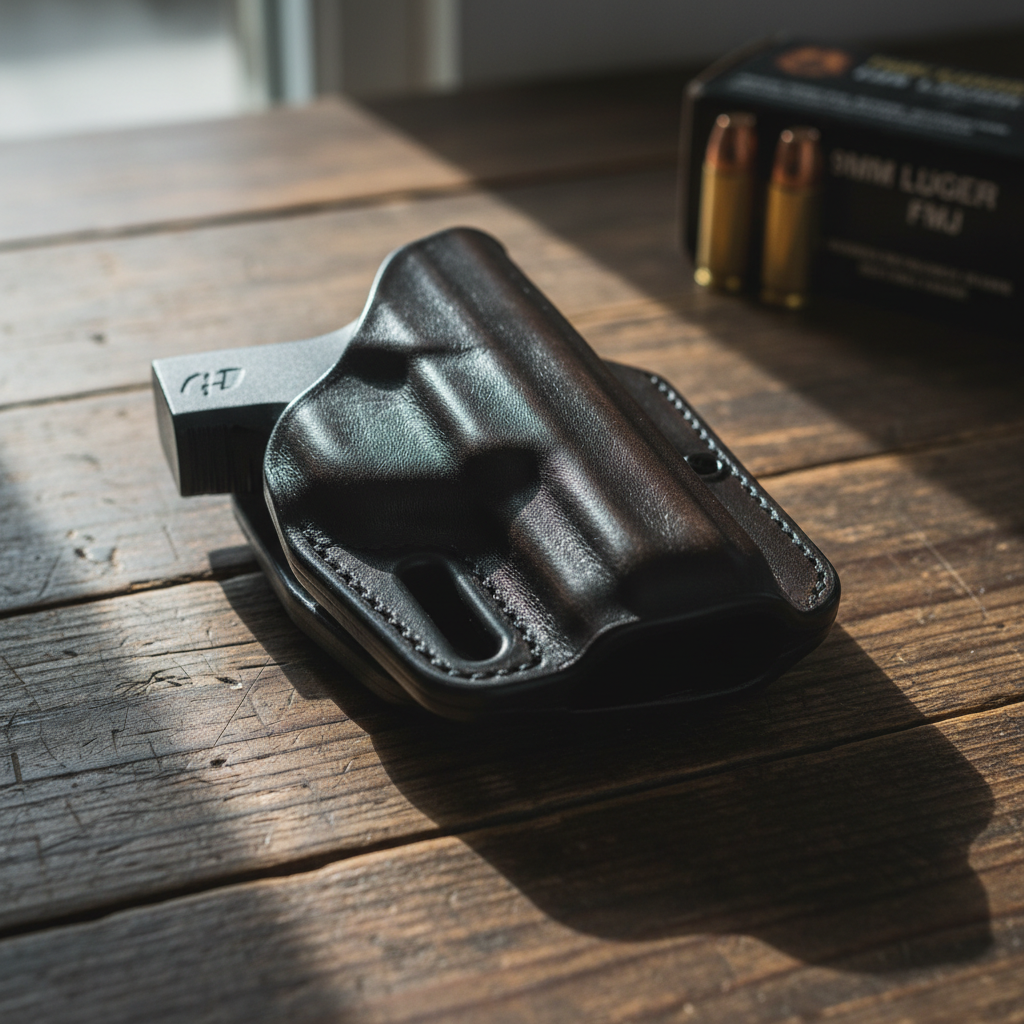
The "Golden Rule" of carrying in a retail environment is simple: if the firearm is for self-defense, it must stay holstered and hidden. When people ask, "can you conceal carry in a gun store," the answer is generally yes, provided the weapon remains completely secure. The staff at ELC Pews, including Emily, Eric, Lee, and Mike, view a holstered firearm as a tool under the owner's control. The danger begins the moment that firearm is exposed.
A major safety violation occurs when a customer unholsters a loaded carry weapon to "check the fit" of a new accessory or to show the staff a new set of grips. In a high-stakes environment like a Rutland gun store, an unholstered weapon that was not previously cleared by a staff member is treated as a potential threat. This action bypasses all safety protocols and creates immediate, unnecessary stress for both the employees and other customers. Maintaining mutual respect means understanding that your carry gun is for protection only; it is not a demonstration piece. If you need to test gear, the staff will provide a safe, unloaded alternative or guide you through the protocol for bringing in a cased firearm.
Bringing a Firearm in for Service or FFL Transfers
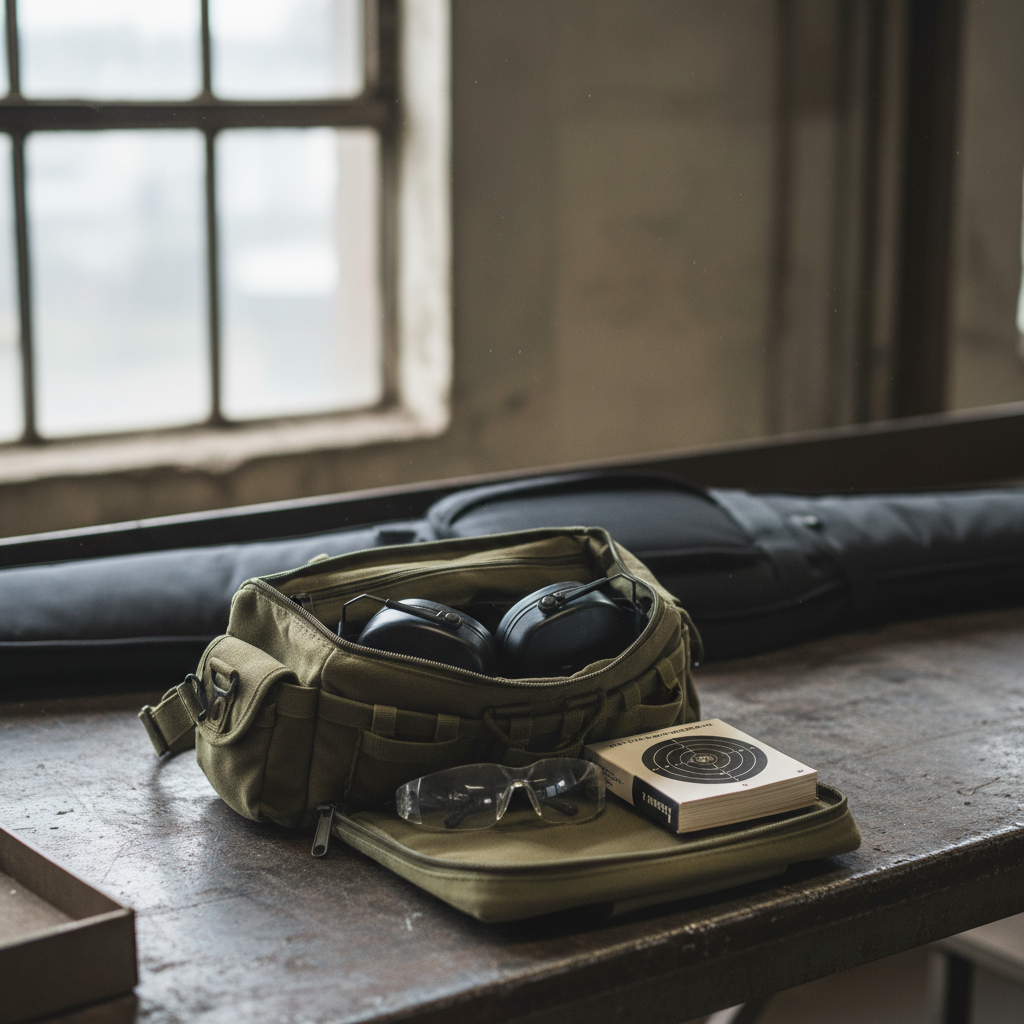
When you walk through the doors of a Rutland gun store, the protocol changes significantly if you are bringing a firearm for business rather than just carrying for personal protection. This distinction is vital for safety. While you may be asking if can you conceal carry in a gun store for self-defense, the firearm you intend to hand over for scope mounting and cleaning services or professional FFL transfers must be handled differently.
Any firearm intended for service must be completely unloaded before you enter the building. It should be transported in a dedicated case, a sleeve, or the original manufacturer's box. Walking into a shop with a loose firearm in your hand, even if the slide is locked back or the cylinder is open, creates an immediate safety concern for staff and other patrons. At ELC Pews, Emily, Eric, Lee, and Mike require that all service firearms remain cased until a staff member is ready to inspect them.
Service Type | Transport Protocol | Entry Requirement |
|---|---|---|
FFL Transfers | Cased and Unloaded | ID and Paperwork ready |
Scope Mounting | Cased and Unloaded | Optics and hardware included |
Professional Cleaning | Cased and Unloaded | Inform staff of any malfunctions |
The standard "stop at the counter" protocol is the safest way to initiate a transaction. When you arrive, keep the cased firearm pointed in a safe direction and place it on the counter. Inform the staff immediately about the purpose of your visit. Do not open the case until you have been instructed to do so. This allows the gunsmith or clerk to maintain control of the muzzle direction and verify that the chamber is empty in a controlled manner. Even if you are legally carrying a loaded sidearm on your hip, the gun on the counter must be inert. This separation of carry and service items ensures that there is never any confusion about which firearm is hot and which is being handled for maintenance.
Common Etiquette Mistakes to Avoid in a Rutland Gun Shop
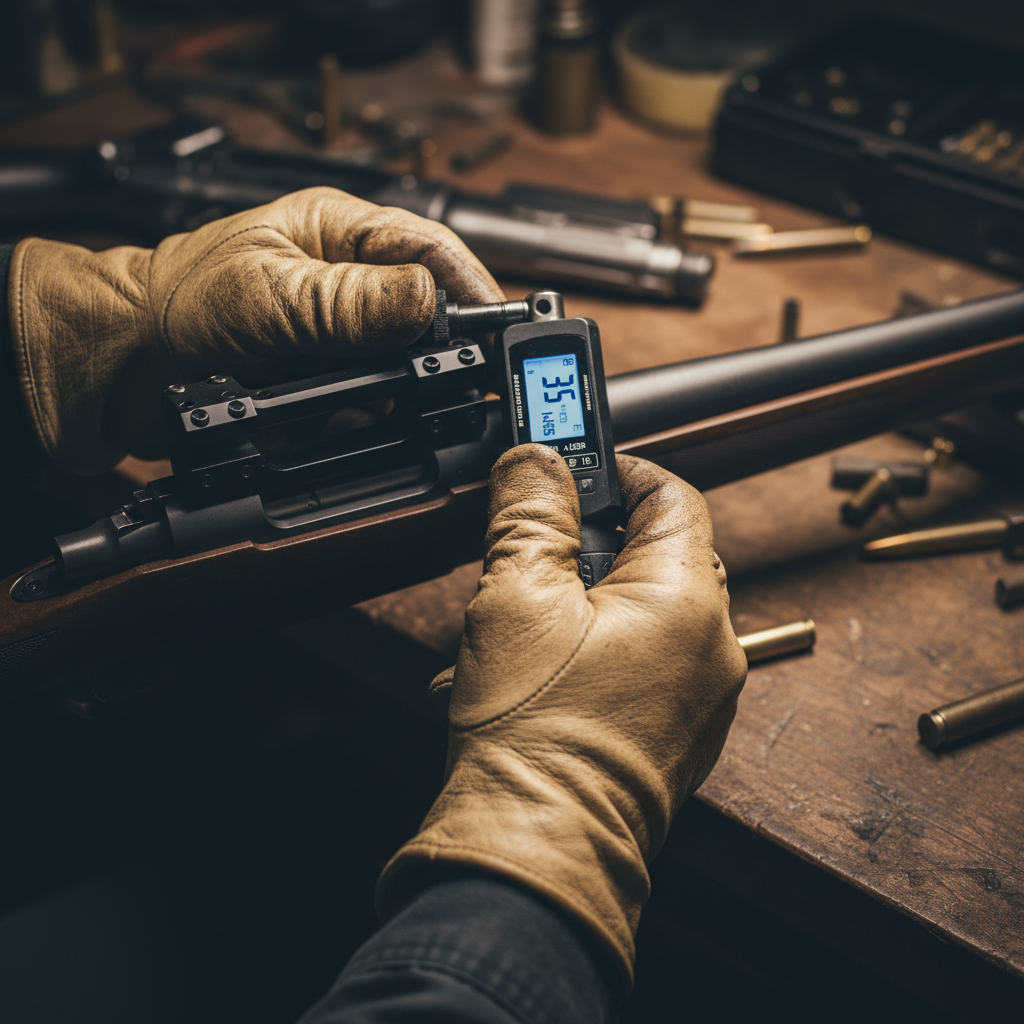
Maintaining a professional atmosphere at ELC Pews depends on a shared understanding of safety etiquette. Even experienced shooters occasionally make mistakes that can unintentionally escalate tension in a retail space. Avoiding these specific pitfalls ensures that Emily, Eric, Lee, and Mike can focus on providing expert advice rather than managing a safety crisis.
One of the most frequent errors is unholstering a concealed weapon to check the fit of a holster or laser. If you are wondering, "can you conceal carry in a gun store" while browsing for gear, the answer is yes, but the gun must stay in the holster. Drawing a firearm in a crowded shop, even for a non-threatening reason, triggers an immediate safety response from staff and other customers. If you need to check the dimensions of a new accessory, ask for a floor model or follow the protocol for bringing in a cased, unloaded firearm from your vehicle.
Another critical mistake is handing a loaded firearm to a staff member for scope mounting and cleaning services or professional FFL transfers. Every gun passed over the counter must be cleared with the action open and the magazine removed. Handing a loaded weapon to a gunsmith is a fundamental violation of firearm safety that puts everyone in the building at risk.
Common Etiquette Mistake | Safety Consequence | Correct Professional Protocol |
|---|---|---|
Drawing to "check fit" | Triggers high-stress response | Use a shop-provided demo unit |
Passing a loaded firearm | Risk of negligent discharge | Verify clear with action locked open |
Unannounced open carry | Can cause customer discomfort | Keep carry weapons concealed and holstered |
Finally, do not assume open carry is the preferred method just because the shop respects concealed carry. While Vermont is an open carry state, many independent shops prefer a "concealed means concealed" approach to maintain a calm environment for all visitors. Adhering to these norms at your local Rutland gun store demonstrates that you are a responsible, safety-conscious member of the shooting community.
Can You Walk Out of a Gun Store with a Gun?
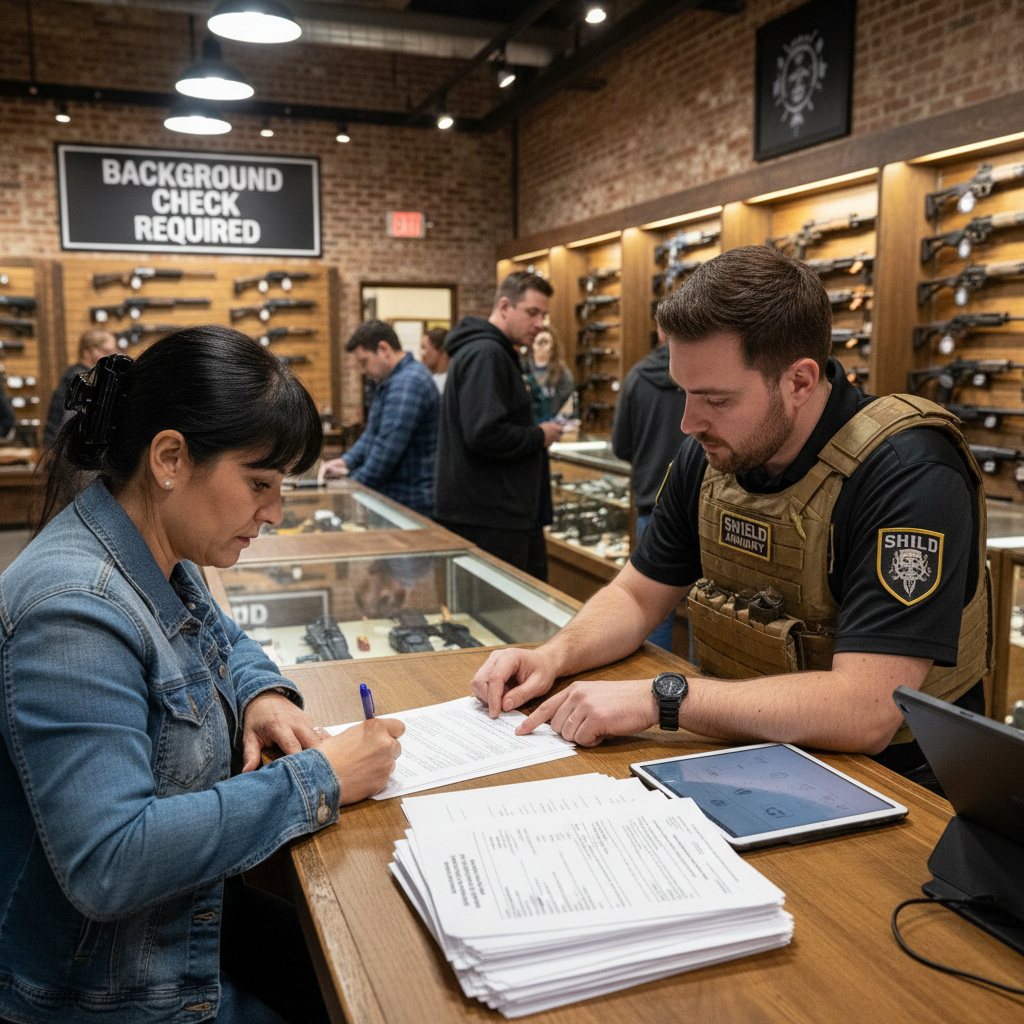
Following proper etiquette during your visit leads to the final step: taking your new purchase home. Many people ask if you can actually walk out of the shop with a firearm the same day. In Vermont, the answer is typically yes, provided the federal background check and paperwork are completed successfully. At ELC Pews, the process involves filling out the ATF Form 4473 and waiting for a NICS background check approval. Once Eric or Mike confirms the 'proceed' status and the sale is finalized, the firearm is legally yours to take home.
There is a specific protocol for the exit. While you may already know the answer to can you conceal carry in a gun store for your personal sidearm, a new purchase is handled differently. We require all new firearms to remain boxed or cased until you reach your vehicle. Walking out of our Rutland gun store with an unboxed firearm in your hand is a breach of local safety norms and can cause unnecessary alarm in the community. Keeping the purchase secured ensures a professional, discreet exit that respects both the law and our Rutland neighbors.
Why Gun Stores Have 'No Loaded Firearms' Signs
Seeing a "No Loaded Firearms" sign at a Rutland gun store often creates an immediate sense of irony for customers. However, these signs are not typically aimed at the person asking can you conceal carry in a gun store for self-defense. Instead, they are directed at the high volume of firearms brought in for scope mounting and cleaning services or professional FFL transfers. The primary threat in a retail environment is a negligent discharge, which almost always occurs when a customer handles a firearm they believe is empty while attempting a transaction or demonstration.
By requiring service weapons to be unloaded and cased, Emily, Eric, Lee, and Mike can maintain a controlled environment. When a customer brings in a used collection for appraisal, the staff must be able to verify the status of every action without the risk of a chambered round. For CCW holders, the rule is simple: if the gun stays in the holster, it is considered a secured tool. The moment a gun is drawn for any reason, it becomes a safety liability that these signs are designed to prevent. Prioritizing this distinction ensures that every visitor, whether buying their first box of ammo or trading a collection, remains safe.
Understanding carry etiquette is about more than just following rules; it is about fostering a safe community for all Rutland shooters. By keeping your firearm holstered and respecting individual store policies, you contribute to a secure environment. If you want expert help navigating firearm regulations or improving your tactical proficiency, our team is here to support you. We offer a variety of Services tailored to help you build confidence and stay informed as a responsible gun owner in Vermont.