
A comprehensive deer hunting gear list for Vermont's rifle season must include a valid deer tag, a legal firearm, and high quality layered clothing to manage unpredictable cold weather or rain. Hunters should also prioritize essential tools such as sharp knives, binoculars, and scent control products to increase their success in the woods; additionally, safety items like a compass and backup flashlight are critical for navigating dense terrain.
Stepping into the Vermont woods during rifle season requires more than just a rifle and a tag. The Green Mountains are unforgiving, often delivering freezing rain and dense fog that can render subpar gear useless. If you have ever felt the bite of early November dampness or struggled to acquire a target through fogged optics, you know that your equipment is the only barrier between you and the elements. Success in this terrain demands a calculated approach to your loadout. In this guide, we break down the essential firearms and optics suited for our thick timber, the technical layering systems required for stagnant stands, and the specific Vermont regulations you must follow. From field dressing kits to pre-season preparation at ELC Pews, we provide a comprehensive checklist to ensure you are ready for opening day.
Understanding the Vermont Rifle Season Challenge
Hunting in Vermont is a distinct challenge that demands respect for both the land and the animal. Unlike the expansive agricultural fields of the Midwest, the Green Mountains offer steep, rugged terrain where the deer herd is naturally smaller and more elusive. Success here is often measured in miles hiked through dense brush and hours spent in absolute silence. The rifle season is notoriously brief, spanning just 16 days and typically kicking off on the second Saturday in November. This tight window leaves very little room for equipment failure or poor preparation.
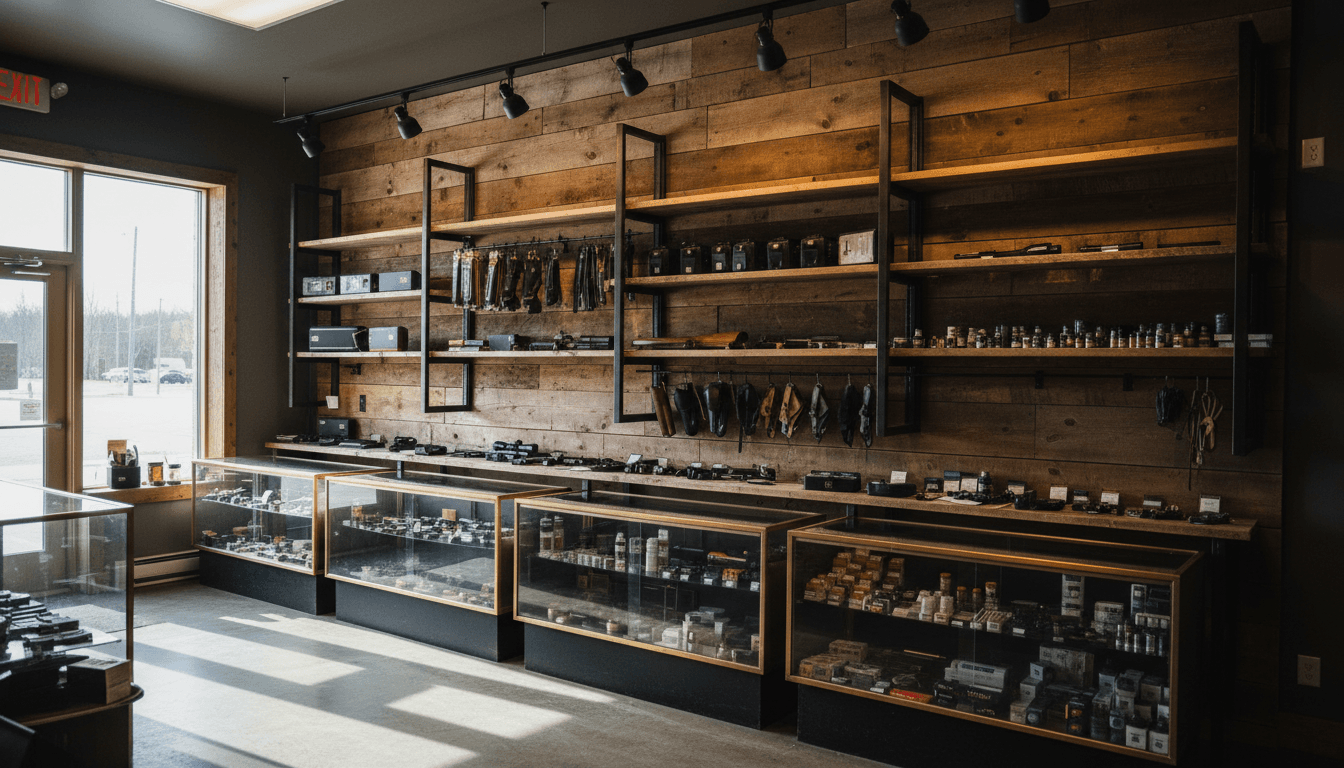
Building a practical deer hunting gear list for this environment requires accounting for extreme weather volatility. It is common to experience 50 degree rain showers one morning and a foot of heavy snow by the next sunrise. Your equipment must be durable enough to withstand the abrasive scrub and constant moisture found in the hollows. Because most opportunities happen quickly in thick cover, having a reliable selection of firearms and quality gun store accessories in Rutland is the baseline for a productive season.
Firearms and Optics for the Vermont Woods

The technical core of any deer hunting gear list is the rifle and optic combination. In the dense, tangled cover typical of the Green Mountains, most successful shots occur at distances under 100 yards. This proximity requires a firearm that is maneuverable and a caliber that can punch through light brush without significant deflection.
Reliable calibers like the .30-06 Springfield and the .270 Winchester have been staples in Rutland gun cabinets for decades. A common question from newer hunters is whether a .308 Winchester is overkill for Vermont whitetails. It is not; in fact, the .308 is an exceptionally versatile choice. It provides ample stopping power in a short-action rifle, which is often lighter and easier to carry during long treks up steep ridges.
Optics are equally critical, specifically those designed for low-light performance. Because Vermont's thick canopy and deep hollows create shadows even during midday, you need a scope with high light transmission. The best opportunities often happen at the very edges of legal shooting hours when the timber is darkest. Beyond clarity, durability is the priority. The rugged terrain of the Green Mountains is unforgiving on equipment. A rifle that takes a bump against a granite ledge or a thick hemlock branch must maintain its zero. For this reason, we strongly recommend professional scope mounting to ensure your rings and bases are properly torqued and aligned. A secure mount is the only way to guarantee your point of aim survives the physical demands of the Vermont woods.
The Vermont Layering System: Clothing and Boots
Effective cold weather deer hunting gear is built on the principle of moisture management rather than just bulk. In Vermont, you are often climbing a steep ridge one hour and sitting motionless in a hollow the next. This fluctuation in activity level requires a three-layer system to prevent overheating and subsequent chilling. Start with a moisture-wicking base layer made of synthetic fibers or Merino wool. Avoid cotton entirely; once cotton gets damp from sweat or rain, it loses all insulating properties and stays cold against your skin.
The second layer serves as your primary insulation. Heavy wool or high-loft fleece is preferred here because these materials retain heat even when wet. Finally, an outer shell must be both windproof and waterproof to combat the sleet and biting winds common in the Green Mountains. When selecting these pieces for your deer hunting gear list, prioritize quiet fabrics that do not rustle against brush, as a sharp sound can ruin a stalk before it begins.
Safety is a frequent topic of conversation at the shop, particularly regarding visibility. Many hunters ask: Do you have to wear orange during rifle season in Vermont? The technical answer is that Vermont law does not currently mandate hunter orange for deer hunting. However, it is strongly recommended and widely considered the safety standard for the Vermont woods. Wearing a blaze orange hat and vest ensures you are visible to other hunters in the dense timber, especially during low-light hours or heavy snow. At ELC Pews, we believe visibility is a critical part of a responsible hunt.
Your choice in footwear can determine the length of your day. Vermont terrain is notoriously boggy, filled with hidden springs and thick mud that persists even after the first frost. Seek out waterproof, insulated boots with aggressive tread patterns for traction on slick granite. Keeping your feet dry is the most critical factor in preventing cold-weather fatigue during a long day on the mountain. For smaller items like thermal gloves, wool hats, and heat packs, we keep a variety of gun store accessories in Rutland in stock to help round out your kit before opening day.
Essential Field Dressing and Survival Kit
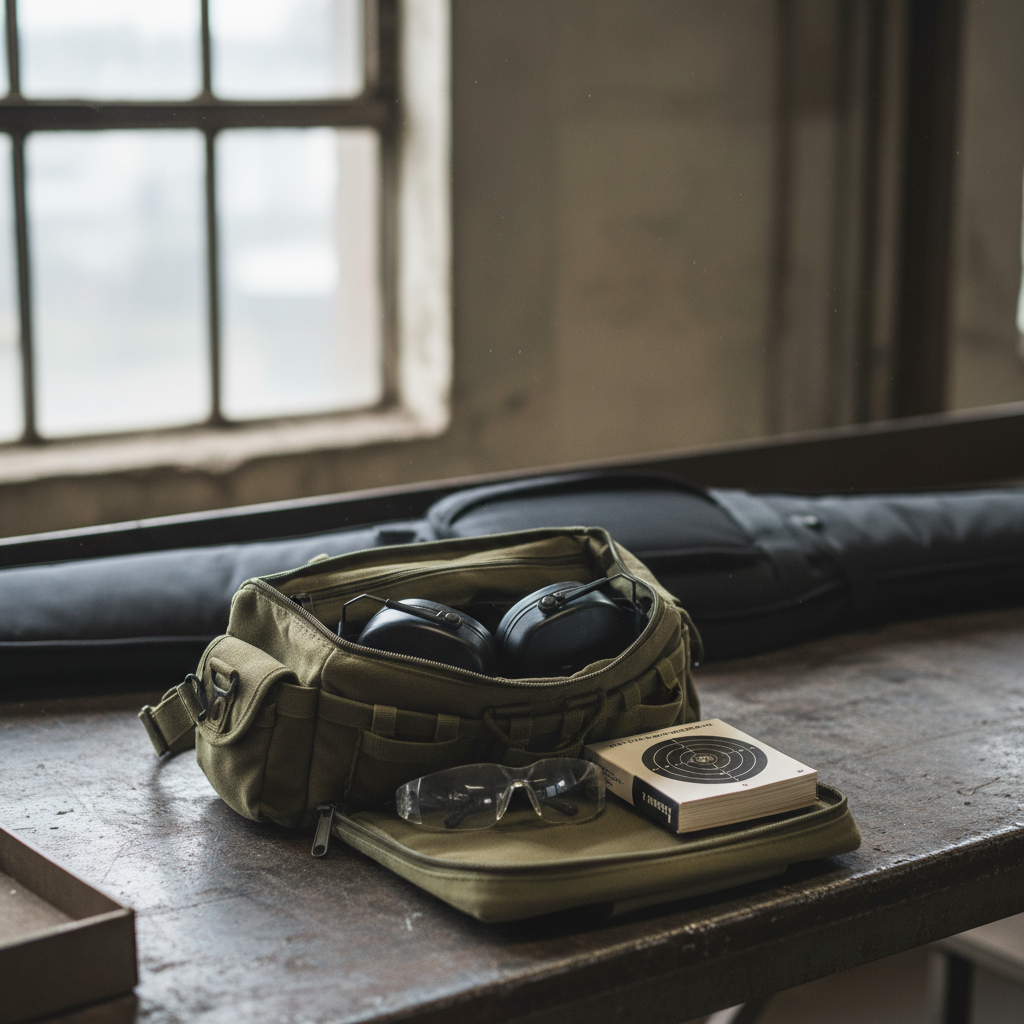
Once your clothing and boots are sorted, the utility of your pack determines how you handle a successful harvest or an unexpected delay in the woods. A complete deer hunting gear list must include a high-carbon or stainless fixed-blade knife. While folding knives are convenient for everyday carry, a fixed blade offers the structural integrity needed for processing a deer in cold, slippery conditions. Complement this with a small folding bone saw to manage the pelvic bone and rib cage safely. You should also pack high-visibility latex gloves and breathable game bags to protect the meat from forest debris during the long drag back to the trailhead.
Survival essentials are non-negotiable because cell service is notoriously spotty in the Vermont hollows. Do not rely on a smartphone as your sole navigation tool; instead, carry a dedicated GPS unit or a traditional compass and topo map. Pack a reliable LED flashlight with a spare set of batteries, alongside a basic first aid kit containing pressure bandages. For unpredictable weather, include dedicated deer hunting rain gear. A lightweight, packable poncho is often superior to a heavy jacket because it can be thrown over both the hunter and their pack, keeping optics and supplies dry during a sudden downpour. Picking up these gun store accessories in Rutland before opening day ensures you are prepared for the reality of Vermont's backcountry.
Vermont Specific Rules: The 7 Day Rule and Tags
Navigating the paperwork is as critical as navigating the terrain. Every deer hunting gear list should include a way to manage Vermont's specific reporting requirements. One of the most frequent questions we hear at the shop is, "What is the 7-day deer rule?" Simply put, once you harvest a deer, you are prohibited from hunting for another deer for the next seven calendar days. This regulation prevents over-harvesting during the peak of the season, ensuring that the local herd remains sustainable for future years. This rule applies regardless of whether you have remaining tags for other seasons, making your first harvest of the rifle season a significant decision.
In addition to the 7-day restriction, Vermont law requires all hunters to report their harvest within 48 hours. While digital reporting has made this easier, you are still required to physically tag the animal immediately upon the kill. Moisture is the primary enemy of paper permits. We recommend adding a small, sealable waterproof bag to your kit of gun store accessories in Rutland to protect your tags from the inevitable mountain rain and sleet. A damaged or illegible tag is a liability you do not want during a compliance check. Always verify the current 2026 Vermont deer hunting regulations for any late-breaking changes to tag usage or zone-specific antler restrictions before you head to camp.
Pre-Season Preparation at ELC Pews
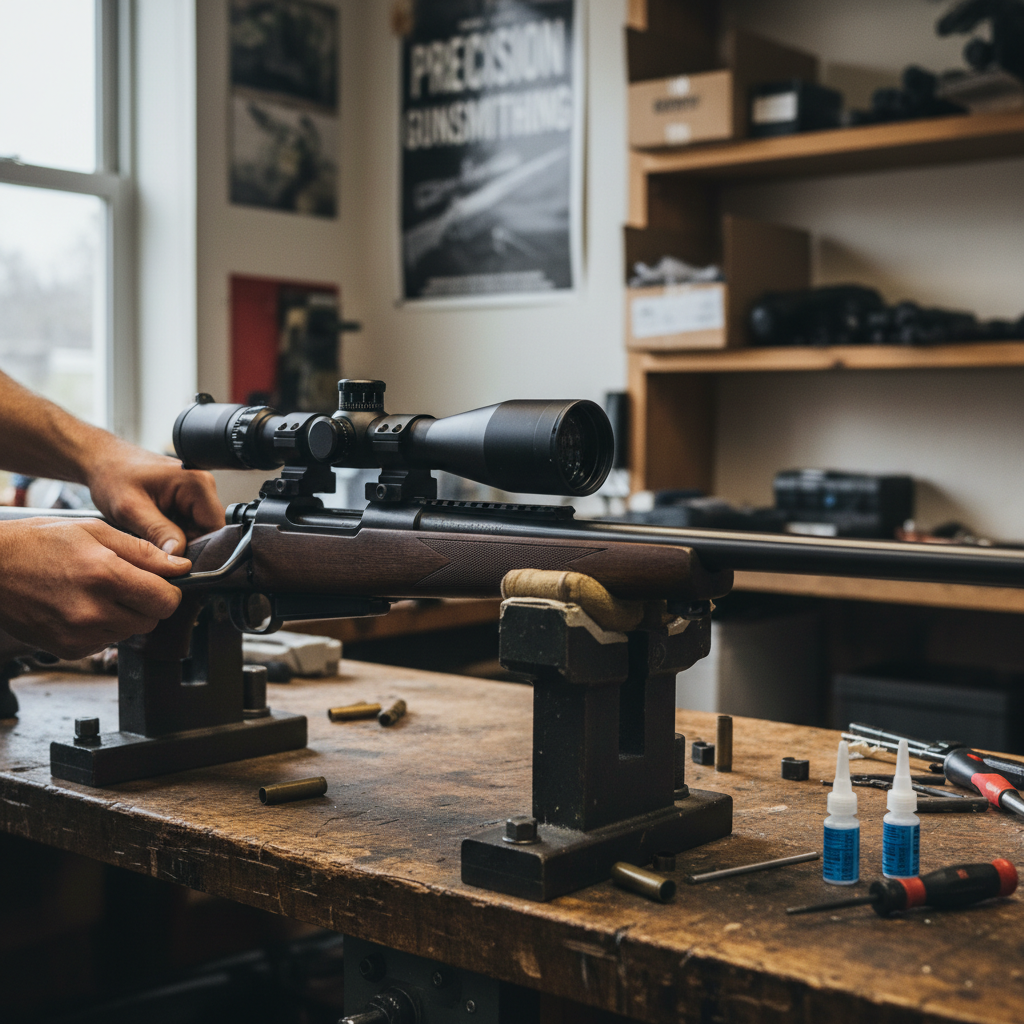
The administrative side of the hunt is only half the battle; your equipment must be mechanically sound before you step foot in the woods. At ELC Pews, we see many hunters wait until the week before opening day to check their zero. Sighting in your rifle is non-negotiable, particularly after a year in storage or a bumpy ride to hunting camp. If your groupings are inconsistent, our team provides professional scope mounting to ensure your optics are level and secure.
Beyond accuracy, reliability in the frozen timber is paramount. A rifle that cycled perfectly in humid August might fail when sub-zero temperatures thicken old lubricants or debris. We offer professional cleaning services to strip away carbon and apply cold-weather-rated oils that will not freeze your firing pin. Additionally, we recommend auditing your ammunition and gun store accessories in Rutland well before November. Popular calibers often disappear from local shelves forty-eight hours before the season begins. Visiting Emily, Eric, Lee, and Mike early ensures your deer hunting gear list is complete and your rifle is mission-ready.
A Final Deer Hunting Gear Checklist for Opening Day
After finalizing your pre-season maintenance at the shop, the last step is an organized pack. Leaving a critical item on the workbench in Rutland can end a hunt before it starts. Use this consolidated deer hunting gear list to double check your supplies before heading into the Green Mountains on opening morning.
License and Tags: Must be signed and stored in a waterproof, sealable bag.
Firearm and Ammunition: Verify you have a full box of the correct caliber for your selection of firearms.
Orange Vest and Hat: High-visibility garments to ensure safety in dense timber.
Quality Optics: Binoculars for glassing and a rangefinder, which is helpful for judging distances in varied terrain.
Field Dressing Tools: A fixed-blade knife, portable sharpening stone, and a heavy-duty drag rope.
Navigation: A physical topo map and compass to supplement GPS devices in areas with no service.
Sustenance: High-calorie snacks and at least two liters of water for long mountain treks.
Safety Essentials: A small survival kit containing extra batteries, a first aid kit, and gun store accessories in Rutland like emergency fire starters.
Preparation defines the successful Vermont hunter. If you find a gap in your kit while packing, stop by and see Emily, Eric, Lee, and Mike to get squared away before the Saturday opener.