Reloading is worth it for shooters who prioritize superior accuracy and the ability to tailor ammunition to their specific firearms. Equipment costs are often high; however, the resulting precision and performance gains help answer the question of is reloading worth it for serious enthusiasts.
Between the rising cost of precision match grade ammunition and the seasonal scarcity at local shops in Rutland, many Vermont shooters are wondering if it is time to take control of their own supply. It is a common frustration to spend a weekend tracking a buck through the Green Mountains only to question if your factory load will truly perform when the shot presents itself. While saving money is the typical entry point for most beginners, the real value lies in ballistic consistency and independence from the retail supply chain. This guide breaks down the actual cost per round in 2025; it examines why custom tuning matters for mountain hunting; and it outlines the essential kit required to start loading without overcomplicating your bench. We will help you decide if the investment in time matches your specific performance goals.
The Short Answer: Is Reloading Worth Your Time and Money?
If you are looking for a simple yes or no, the reality of handloading is more nuanced than a single word. The direct answer is that for most shooters in the Rutland area, the investment pays off in quality and volume rather than raw cash savings. While your cost per trigger pull drops, you will likely find yourself shooting more often because the ammunition is more accessible. You are not necessarily saving net money; you are buying more experience for the same budget.
For Vermont hunters and sport shooters, the question of is reloading worth it is often answered through performance and independence. Tuning a specific load for a rifle to achieve sub-MOA groups is something factory ammunition rarely guarantees across all platforms. Additionally, having the components on hand means you are not at the mercy of national supply chain gaps that often leave local shelves bare. If you are shooting high-volume plinking rounds, the margins are thin. However, if you are shooting precision rifle calibers or vintage cartridges, the benefits are immediate. If you have questions about your specific setup, you can always contact us in Rutland to discuss which components might serve your needs best. Handloading is a disciplined hobby that rewards patience with superior ballistics.
The Math of Reloading: Savings per Round in 2025
To answer the common question, do you really save money by reloading ammo, we have to look at the raw component costs versus the current shelf price of a box of shells. In 2025, the margins vary significantly depending on what you are putting through your firearm. For common handgun calibers like 9mm, the savings are often the tightest. If you are buying bulk range ammo at roughly 25 cents per round, your handloaded equivalent might cost you 20 cents after accounting for the primer, powder, and projectile. While a 20 percent savings is respectable, it takes a high volume of fire to offset the cost of your gear.
The financial outlook changes drastically when you move to precision rifle cartridges or larger hunting rounds. Match-grade .308 Winchester or 6.5 Creedmoor can easily cost $2.00 per round or more at the store. By reusing your own brass casings, you can produce ammunition of equal or better quality for approximately 85 cents per round. In this scenario, the question of is reloading worth it becomes a matter of simple arithmetic.
Caliber | Factory Cost (Per Round) | Reloading Cost (Per Round) | Estimated Savings |
|---|---|---|---|
9mm Luger | $0.25 | $0.20 | 20% |
.223 Remington | $0.50 | $0.35 | 30% |
.308 Win (Match) | $2.10 | $0.85 | 60% |
.45-70 Govt | $2.75 | $1.10 | 60% |
The break-even point is the moment your cumulative savings equal your initial investment in tools. A quality single-stage starter kit, including dies and a scale, typically runs between $400 and $600. If you primarily shoot precision .308, you could reach that break-even point in fewer than 500 rounds. For a dedicated local shooter, this often happens within the first year of ownership. Focusing on your most expensive or hardest-to-find calibers is the fastest way to make the bench pay for itself. We can even assist with Vermont FFL transfers if you decide to order specialized reloading hardware that requires professional handling.
The Vermont Hunting Factor: Tuning for the Green Mountains
In the Green Mountains, a single hunting season might see you tracking whitetail through the dense, tangled brush of the National Forest one morning and glassing a long powerline cut the next. Factory ammunition is manufactured to function safely in every rifle ever chambered for that caliber, which means it is inherently a compromise. For a Rutland hunter, this is where the question of is reloading worth it shifts from cents per round to inches on a target.
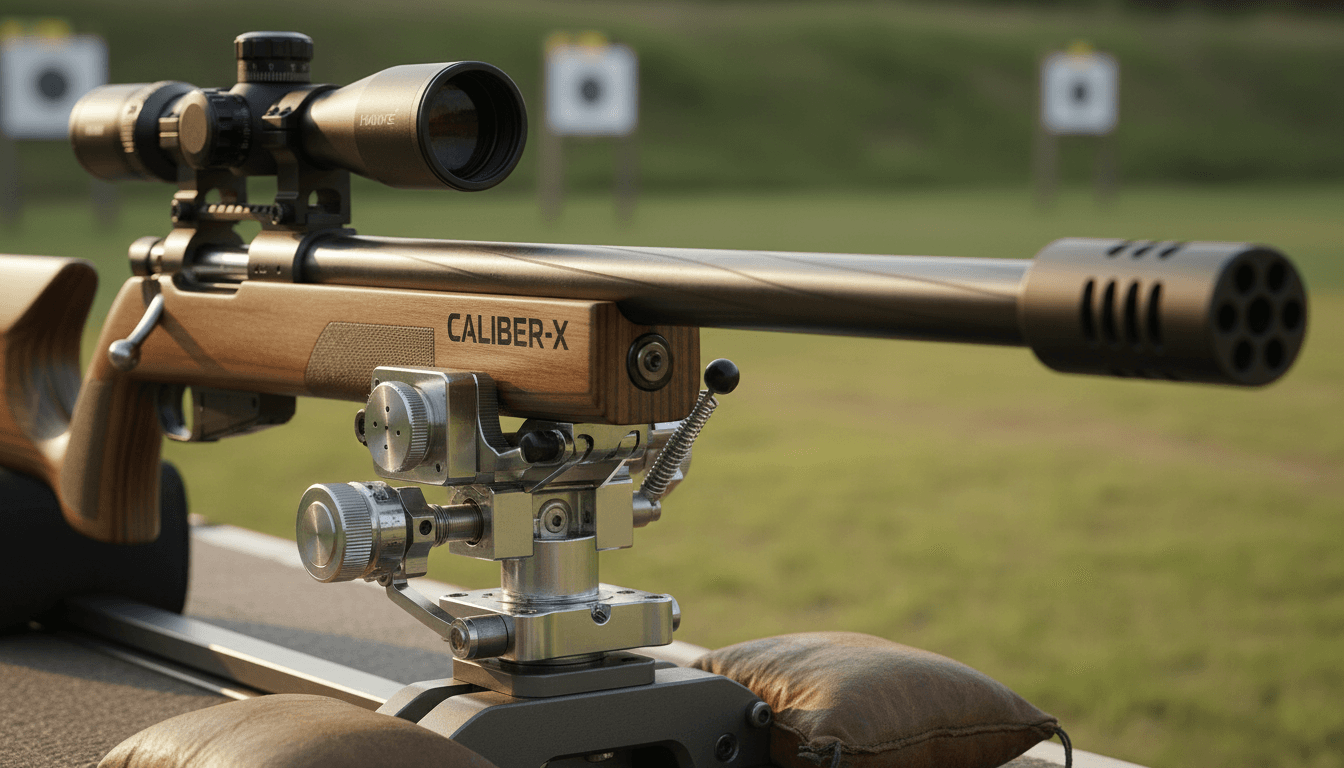
Developing a dedicated woods load allows you to choose heavier, round-nose projectiles that are less prone to erratic deflection in thick cover. Conversely, if you are spending time at the local range preparing for a cross-canyon shot, handloading lets you experiment with bullet seating depth to find the exact jump to the rifling lands that your barrel prefers. By fine-tuning the powder charge in half-grain increments, you can find the specific velocity that matches your rifle's barrel harmonics, shrinking groups in a way that shelf-bought boxes rarely can.
This level of customization ensures that when a trophy buck finally steps into a clearing, you are not wondering if your ammo will perform. Achieving this level of precision requires a clean, well-maintained firearm; we often recommend professional firearm cleaning and services to ensure your rifle is in peak condition before you start testing these custom loads. Tailoring your ballistics to the specific geography of Vermont provides a level of confidence and performance that generic, mass-produced loads cannot replicate.
Availability and Independence: Why Rutland Shooters Reload
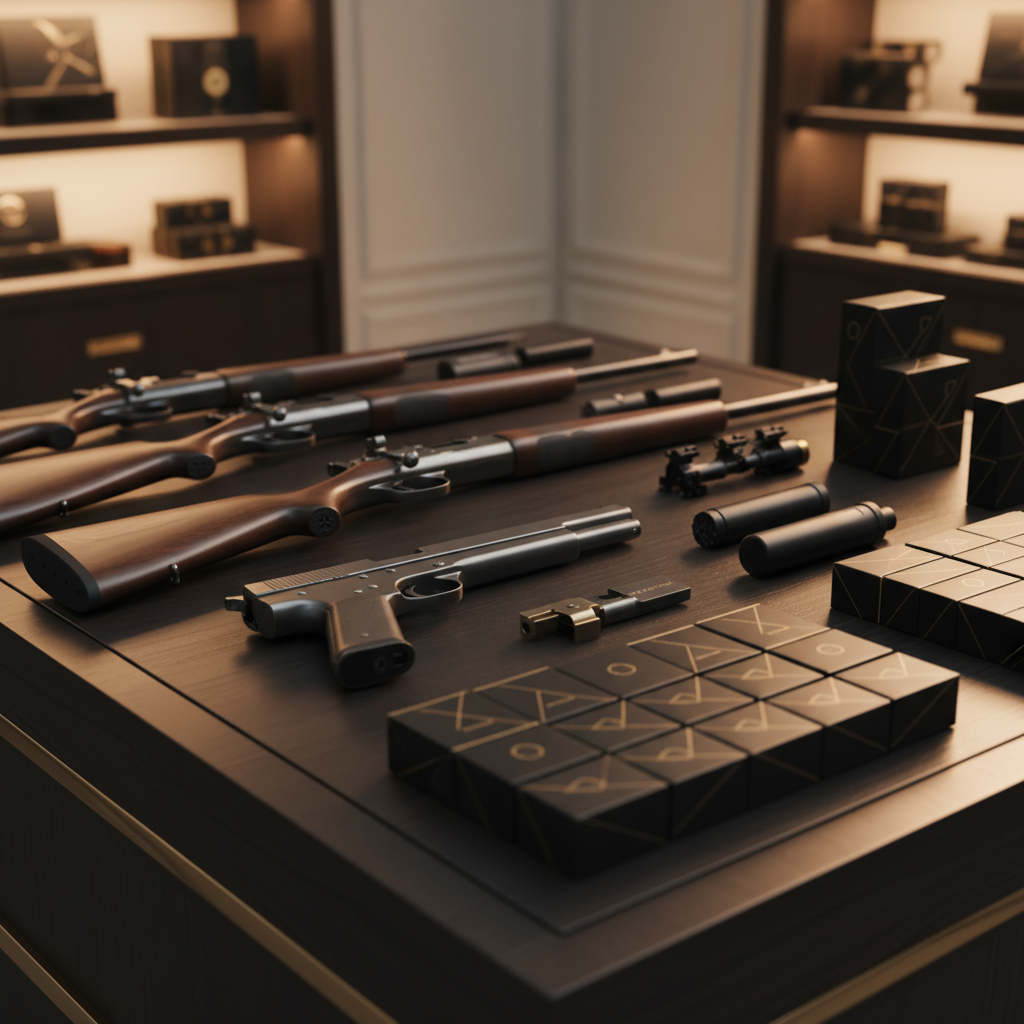
Shooting in Vermont often involves navigating the unpredictable nature of national supply chains. During periods of high demand, shelves at big-box retailers in the Rutland area can quickly empty, leaving hunters without their preferred rounds. Handloading acts as a vital insurance policy against these shortages. By maintaining a home workspace, you bypass the frustration of inventory gaps and seasonal price hikes.
A dedicated reloader focuses on sourcing core ingredients rather than finished boxes. When you have a reliable local source for reloading supplies bullets and reloading supplies brass, you are no longer tethered to shipping delays or the steep HAZMAT fees required by national shipping chains. At ELC Pews, we stock these essential components specifically so our neighbors can keep their benches active regardless of broader market fluctuations.
This independence provides a unique form of security. Having a few pounds of powder and several bricks of primers allows you to remain active at the range while others are waiting for backorders to ship. If you are looking to start your own stockpile or need a specific component to finish a batch, you can contact us in Rutland to see our current inventory.
The Learning Curve: Is Reloading Hard to Learn?
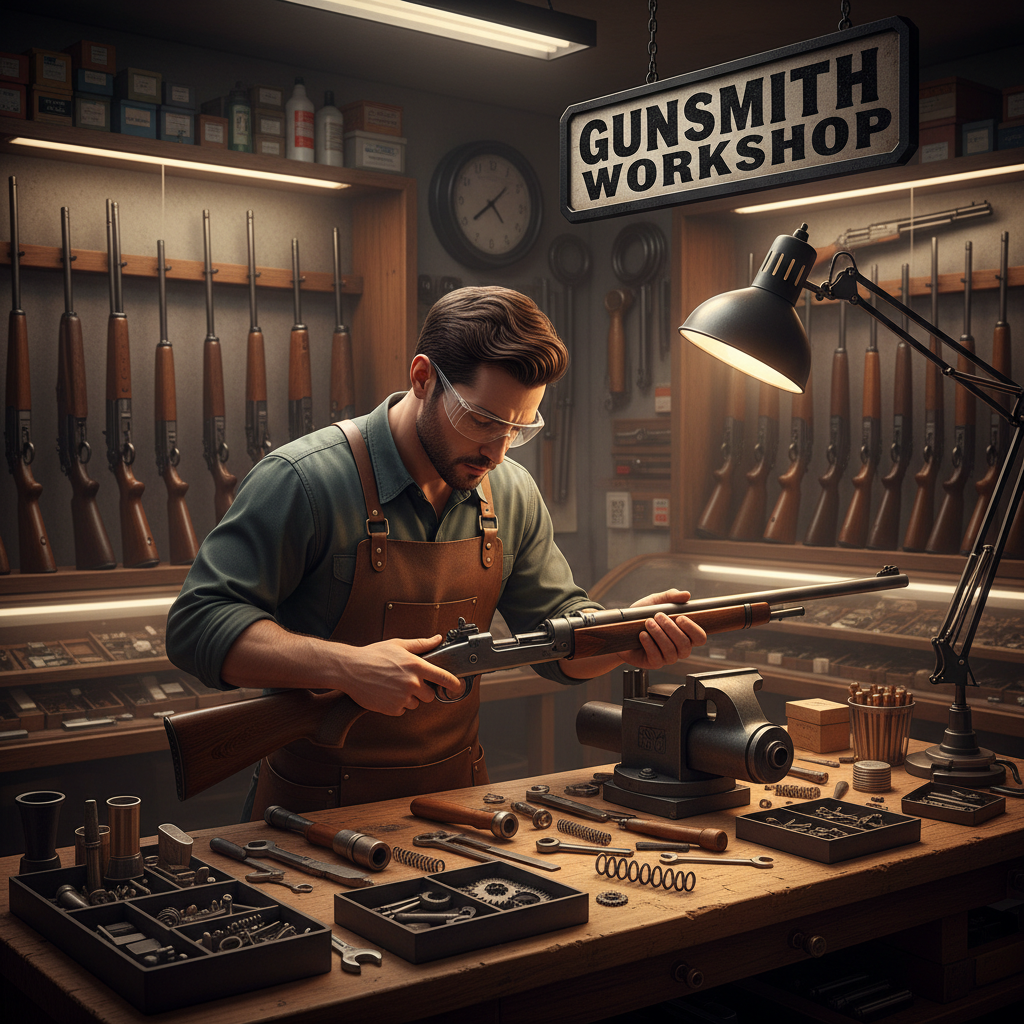
The question of whether reloading is difficult often stems from a fear of the unknown. In reality, the mechanical process is straightforward; the challenge lies in maintaining a strict, disciplined attention to detail. For many in the Rutland area, the decision of is reloading worth it comes down to their willingness to slow down and follow a methodical sequence. You are not performing high level physics, but you are managing controlled explosions.
The cycle follows five fundamental steps: cleaning the spent brass to remove debris, resizing the casing to original specifications, priming, charging with a precise weight of powder, and seating the projectile. Each phase requires your full concentration. If you can follow a recipe and use a set of calipers, you can produce high quality ammunition.
We strongly recommend that beginners start with a single stage press. Unlike progressive systems that perform multiple tasks with one pull of the lever, a single stage press forces you to master one step at a time for an entire batch of brass. This slower pace is the best way to develop the feel for seating primers or noticing the specific resistance during resizing. If your equipment ever feels off, bringing your gear in during our professional firearm cleaning and services hours can help you determine if your dies or tools need adjustment. Consistency is the foundation of both safety and accuracy.
Essential Beginner Reloading Kit: What You Actually Need
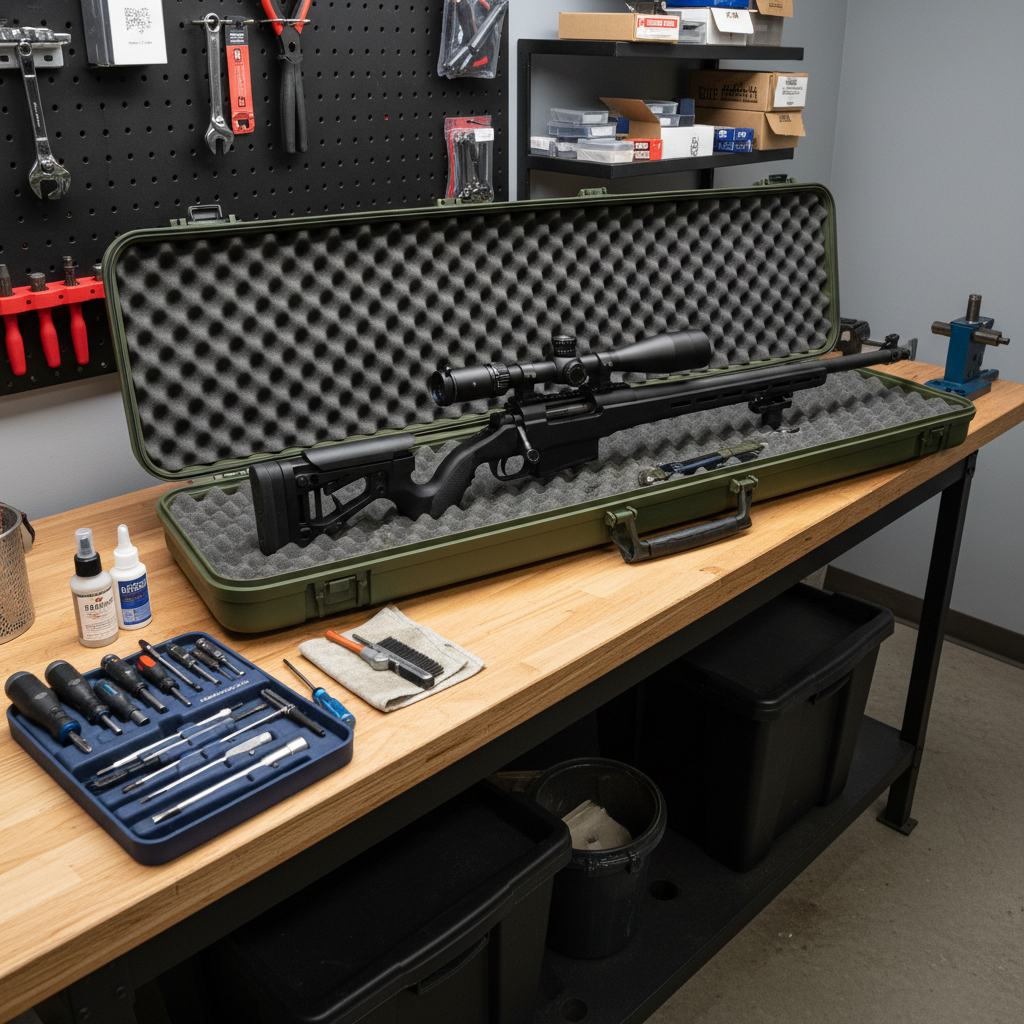
Starting your bench requires a deliberate selection of tools rather than a bulk purchase of every gadget available. The most critical decision is the press. For beginners in the Rutland area, we usually recommend a single-stage press. This tool performs one task at a time, ensuring you focus entirely on the feel of the brass and the precision of the seat. While a turret press holds multiple dies and allows you to switch tasks by rotating the head, the single-stage remains the gold standard for those questioning is reloading worth it from a precision standpoint. It eliminates the slight mechanical play found in more complex systems.
Beyond the press, a first-timer needs a specific set of foundational tools to ensure safety and repeatability:
Reloading Manual: This is your primary reference. It provides the tested recipes and pressure limits for specific powder and bullet combinations.
Caliber-Specific Dies: You will need a dedicated set for every caliber you intend to load to resize the brass and seat the bullet.
Digital or Beam Scale: Accurate measurements are vital; a scale allows you to verify that every powder charge is consistent to a tenth of a grain.
Dial or Digital Calipers: These are used to measure case length and overall cartridge length to ensure your rounds chamber safely.
Reliable brands like Lee Precision or Hornady offer excellent starter kits that bundle many of these items at a reasonable price point. However, remember that the heavy iron on your bench is only one part of the equation. The quality of your components, specifically your primers and powder, dictates the final performance. If you are setting up your first space and need to ensure your rifle is ready for these custom loads, our professional firearm cleaning and services can help establish a clean baseline. You can also contact us in Rutland to see which die sets or specific powders we currently have in stock for your specific project.
Common Beginner Mistakes and How to Avoid Them
The most common reloading mistake is a lack of focus leading to double-charging powder. This occurs when a reloader adds a second charge to a case, often because they were distracted or lacked a systematic workflow. This error can cause catastrophic firearm failure. To avoid this, always use a loading block and visually inspect the powder level in every case under a bright light before seating a bullet. Maintain a strict rule of only having one canister of powder on your bench at a time. Mixing different powders is a dangerous oversight that is easily prevented by basic organization.
Incorrect seating depth also plagues beginners. If a bullet is seated too deep, it reduces internal volume and creates dangerous pressure spikes. Conversely, seating a bullet too long can prevent the round from chambering properly. Keeping a detailed logbook is the best way to avoid these errors and replicate successful loads safely. If you experience pressure signs like flattened primers or difficult extraction, contact us in Rutland to discuss your process or bring your rifle in for professional firearm cleaning and services. Mastering these safety protocols is the final step in deciding if is reloading worth it for you, as discipline ensures your custom rounds are both safe and effective.
Reloading is a rewarding journey that balances cost savings with improved ballistic precision. While the initial learning curve and equipment costs can seem daunting for beginners in Vermont, the long-term benefits for your shooting hobby are undeniable. If you want expert help choosing the right components or setting up your first reloading bench, our team is ready to assist. You can learn more about how we support local shooters by visiting our Services page. We are happy to help you refine your process for better results.