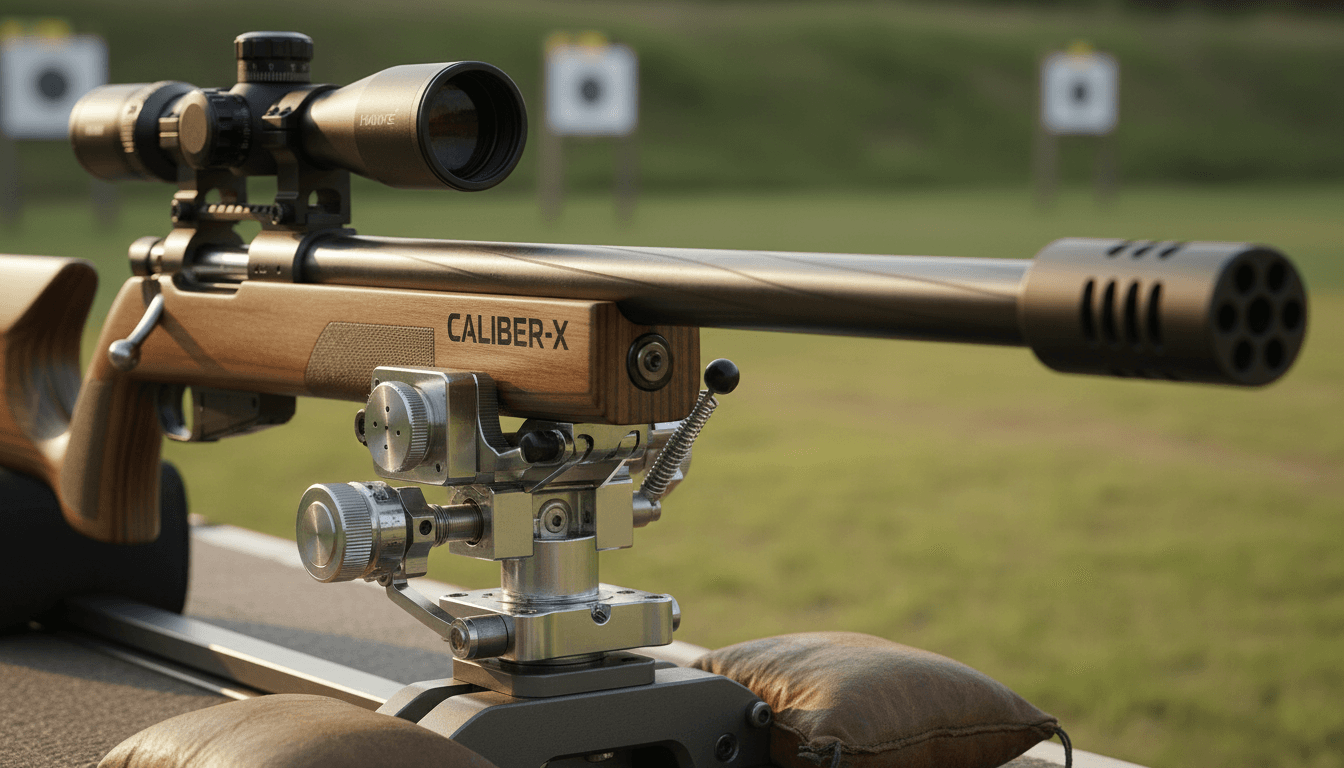

Selecting the best reloading components involves matching specific powder, primers, brass, and bullets to your firearm caliber and intended application. You should always consult a trusted reloading manual to ensure these materials work together safely while providing the desired accuracy and velocity for your cartridge.
Achieving a sub-MOA group or a clean harvest often feels like chasing a ghost when your reloading bench is a mismatch of random supplies. You spend hours behind the press, only to find that your velocities vary wildly or your brass fails after only two firings. True precision is never an accident; it is the calculated result of synergy between your four primary pillars. Selecting the right components involves more than just grabbing what is available on the shelf. It requires an understanding of how case volume, ignition consistency, and burn rates interact to create the perfect shot. In this guide, we break down how to choose brass for longevity, how to select primers for reliable ignition, and how to match powder to bullet weight for peak performance. Whether you are building a precision rifle load or preparing for deer season, these fundamentals will elevate your craft.
Understanding the Four Pillars of Reloading Components
Every finished round of ammunition consists of four fundamental reloading components: the brass case, the primer, the powder, and the bullet. New hobbyists often spend weeks researching the mechanics of a single-stage or progressive press, but the mechanical tool is only the delivery system. The real science of handloading happens within the chemical and physical properties of these four parts. Their quality and how well they harmonize dictates your rifle's accuracy, the safety of the ignition, and your total cost per round.
Selecting the best parts is rarely a matter of picking the highest price tag on the shelf at our Rutland gun store. Instead, it requires matching the component to your specific firearm and intended application. A high-BC (ballistic coefficient) target bullet might be ideal for long-range practice at a local Rutland range, but it won't perform the same as a controlled-expansion soft point when tracking a buck through the thick brush of the Green Mountains. Safety remains the priority; using the wrong primer or a powder with an incompatible burn rate for your bullet weight can lead to dangerous pressure spikes. This guide breaks down how to balance these variables to build a load that works for your specific needs.
Selecting the Best Reloading Brass for Longevity and Consistency
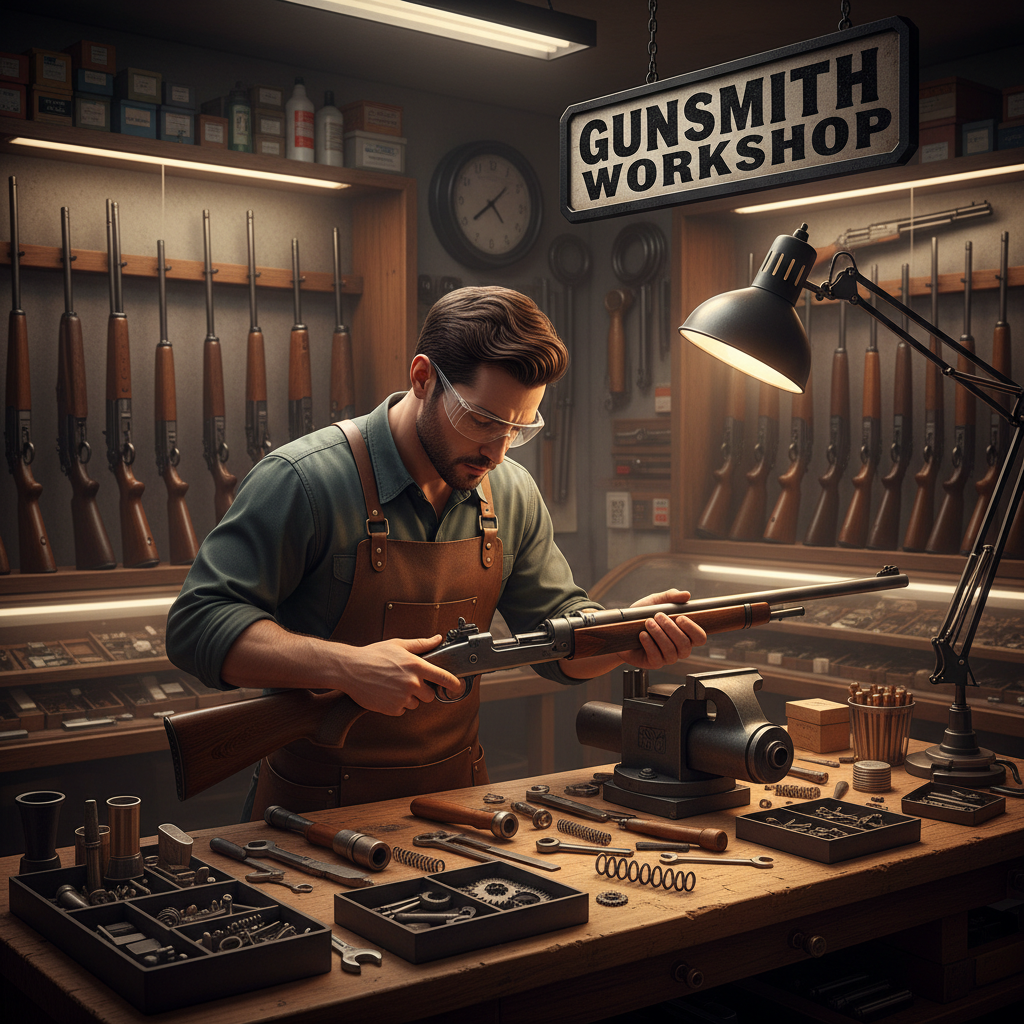
The brass case acts as the pressure vessel for every shot, making the choice of the best reloading brass a trade-off between cost and consistency. Beginners often start with once-fired brass, which is recovered from ranges or previous factory sessions. While economical, once-fired cases require thorough resizing, cleaning, and sorting to ensure they function reliably. In contrast, new brass offers a clean slate with uniform internal volumes and neck tensions, though it commands a higher price point.
Brand selection depends on your performance requirements. For shooters aiming for extreme long-range precision, premium names like Lapua or Peterson are unmatched. These manufacturers maintain strict tolerances on brass hardness and wall thickness, which translates to fewer flyers on the target. For general hunting or high-volume range days, reliable workhorses like Hornady or Winchester provide excellent durability for several reload cycles without the premium cost.
Inspecting your brass is a critical safety step during the cleaning process. Look closely at the area just above the case head for a thin, bright ring; this is a sign of incipient head separation and means the case should be discarded. Similarly, if a primer seats with almost no resistance, the primer pocket has stretched beyond its safe limit. Because ELC Pews frequently purchases private collections from the community, we often have an evolving inventory of specific headstamps and vintage brass that might be hard to find elsewhere. If you are looking for a specific lot or brand to match your current load data, stop by our Rutland gun store to see our current stock.
What Are the Best Primers for Reloading Your Cartridge?
Once your brass is prepped and inspected, the focus shifts to the ignition source. People frequently ask, "What are the best primers for reloading?" The answer depends entirely on your cartridge dimensions and the mechanical requirements of your firearm. Primers are categorized into four primary types: Small Pistol, Large Pistol, Small Rifle, and Large Rifle. Within these categories, you will also find Magnum variants designed to provide a longer, hotter flame for igniting large volumes of slow-burning powder or for ensuring reliability in the sub-zero temperatures typical of a Vermont winter.
Selecting a brand is more than a matter of price; it is a matter of metallurgical consistency. CCI primers are a staple at our Rutland gun store because of their harder cups, which resist "slam fires" in semi-automatic platforms and seat firmly. Federal primers utilize a more sensitive cup, making them the preferred choice for competition shooters with lightened triggers. Winchester offers a reliable middle ground, often prized for its versatility across various recipes.
Safety is paramount when experimenting with these reloading components. You must never substitute a magnum primer for a standard primer in a recipe without first dropping your powder charge by at least 10% and working back up. The increased brisance of a magnum primer can cause a dangerous pressure spike in a load originally developed for standard ignition.
Given the current volatility in the supply chain, availability is often the deciding factor. While online retailers might show stock, the mandatory hazmat fees and shipping costs can significantly increase your cost per round. Checking local inventory at ELC Pews allows you to avoid these extra fees and get expert advice from Mike, Lee, or Eric on which primer best matches your specific load data.
Matching Reloading Powder and Bullet Weight for Optimal Performance
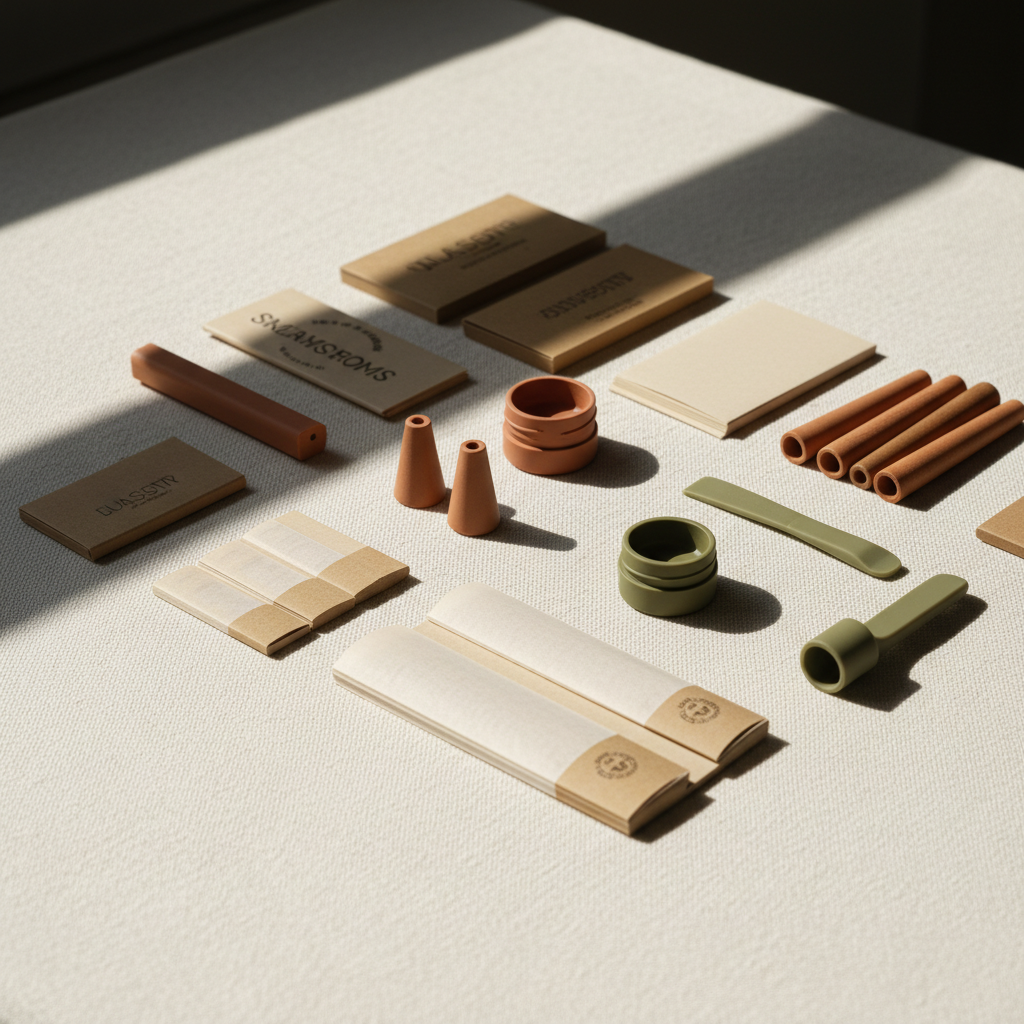
Choosing the right powder is a balancing act involving the bullet's weight and the internal volume of the case. The core concept to master is the burn rate. Think of it as a controlled push rather than a sudden explosion. Heavy bullets possess more inertia and take longer to get moving down the rifling. To avoid dangerous pressure spikes, these heavy projectiles generally require slower-burning powders that provide a sustained push. Conversely, lighter bullets exit the barrel much faster and need faster-burning powders to reach peak velocity before the projectile leaves the muzzle.
For hunters in the Green Mountains, temperature stability is a critical factor that often gets overlooked. A load developed on a 75-degree day in July may perform very differently during a 10-degree December morning in a tree stand. When selecting your reloading components, look for powders specifically engineered for thermal consistency. The Hodgdon Extreme line, including popular choices like Varget and H4350, is a staple at our Rutland gun store. These powders are designed to maintain nearly identical velocities despite the wide temperature swings we experience in Vermont, ensuring your point of impact does not shift when the trophy of a lifetime finally steps out.
Understanding the yield of your supplies is also vital for budgeting and inventory management. Every standard one-pound bottle of smokeless powder contains exactly 7,000 grains. You can calculate your total output by dividing 7,000 by the grain weight of your specific charge. This simple math helps you determine exactly how many primers and bullets you need to purchase to match your powder supply.
Round Type | Average Charge (Grains) | Rounds Per Pound |
|---|---|---|
.223 Remington | 25 gr | 280 |
.308 Winchester | 45 gr | 155 |
.30-06 Springfield | 55 gr | 127 |
.300 Win Mag | 75 gr | 93 |
Rifle Reloading Components for Deer Hunting and Precision
Selecting reloading components for the field requires an understanding of terminal ballistics. While Full Metal Jacket (FMJ) bullets are economical for range practice, their design prevents expansion, making them unsuitable and often illegal for taking game. Hunting in Vermont typically demands a projectile designed for controlled expansion. Traditional Soft Point (SP) bullets remain a reliable choice for the .30-06 Springfield or .270 Winchester; they offer consistent mushrooming and deep penetration in the thick brush of the Green Mountains. For those seeking modern performance, Ballistic Tip bullets feature a polymer nose that resists deformation in the magazine and initiates rapid expansion upon impact. Bonded bullets, where the jacket and core are fused together, are excellent for the .308 Winchester when you need maximum weight retention to punch through heavy bone.
Precision at the bench or in the woods also depends on matching the bullet's physical length to your rifle's twist rate. Every barrel has a specific rate of rifling twist, such as 1:10 or 1:12. A slow twist rate may fail to stabilize long, heavy-for-caliber projectiles, resulting in "keyholing" or poor accuracy at distance. Before you stock up on supplies at our Rutland gun store, verify your barrel’s specifications. A projectile that stabilizes perfectly in a modern bolt-action might struggle in a vintage rifle with a slower rifling profile.
Bullet Type | Best Application | Characteristics |
|---|---|---|
Full Metal Jacket | Target and Plinking | No expansion, high penetration |
Soft Point | Traditional Hunting | Reliable expansion, affordable |
Ballistic Tip | Long Range Hunting | High BC, rapid expansion |
Bonded Core | Large Game | Maximum weight retention |
If you are transitioning from factory loads to custom hunting rounds, matching the bullet weight to your existing rifle's preference is the best starting point. You can always contact us or stop by the shop to discuss which projectile construction is best suited for the specific distances you expect to shoot during the upcoming season.
Where to Find Reloading Components Near Me in Rutland
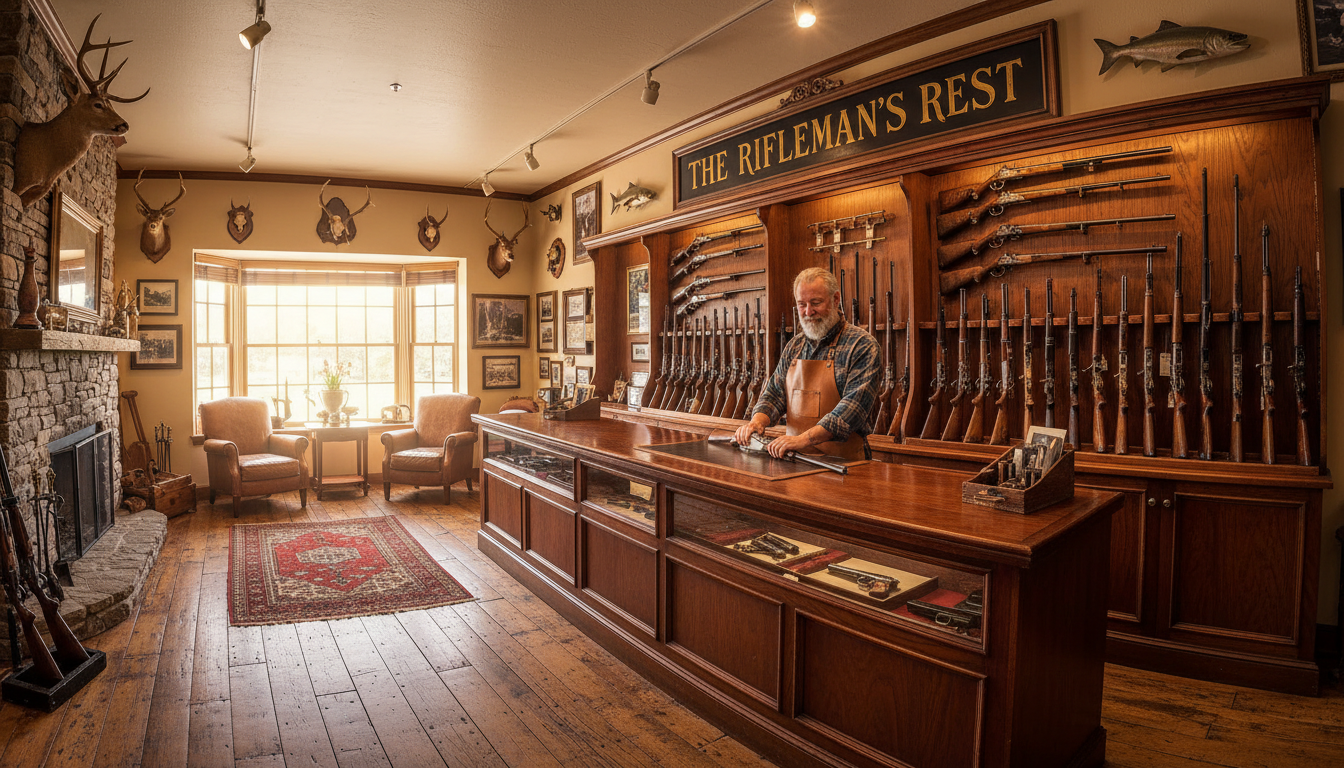
Finding the right reloading components in a market often plagued by shortages requires a reliable local partner. While large national retailers offer extensive digital catalogs, purchasing primers and powder through the mail triggers mandatory hazmat shipping fees. These surcharges can add significant cost to a single pound of powder or a brick of primers; by visiting our Rutland gun store, you bypass these extra expenses while having the opportunity to physically inspect brass and bullet profiles before committing to a purchase.
Personal expertise is the primary advantage of shopping at ELC Pews. Eric, Lee, and Mike are available to provide direct, face to face advice on load development and component compatibility. If you are struggling to find a specific burn rate for a vintage caliber, we can often suggest a modern equivalent that matches your data. We recommend bringing your favorite reloading manual, such as the Hornady, Lyman, or Speer handbooks, directly into the shop. This allows you to cross reference the exact powders and projectiles we have in stock against verified recipes, ensuring you leave with a safe and effective combination.
If you manage to locate a hard to find rifle or pistol online, we facilitate professional FFL transfers to get the firearm into your hands. However, for recurring supplies, staying local is almost always more cost effective. We also frequently acquire private collections from the community, which means our inventory often includes unique or discontinued reloading components that are no longer available in standard retail channels. You can contact us to check our current inventory of primers, powders, and projectiles before making the drive to Rutland.