
The best optic for deer hunting in the woods is a red dot or a low-power variable optic, as these tools prioritize rapid target acquisition and a wide field of view in thick cover. While traditional scopes excel at long ranges, red dots and LPVOs provide the speed necessary for tracking movement and making quick shots in low-light, brushy environments. Choosing an optic with 1x to 4x magnification ensures hunters remain effective at the close distances typical of dense timber hunting.
Hunting the thick timber of Vermont is a game of fleeting opportunities and unforgiving terrain. Many hunters realize too late that a high magnification scope is a liability when a buck appears at thirty yards in a cedar swamp; by the time you find him in the glass, the shot is gone. The dense canopy and shifting shadows demand an optic that prioritizes rapid target acquisition and low light performance over long range precision. Selecting the wrong tool for your rifle can result in missed opportunities or poor shot placement during those critical final minutes of legal light. In this guide, we will analyze the practical differences between red dots, traditional magnified scopes, and modern LPVOs for the Northeast woods. You will learn how to match your sighting system to your specific rifle and avoid the common gear failures that plague hunters in the brush.
Why Vermont Woods Demand a Different Type of Optic
Hunting in the Green Mountains requires a setup drastically different from what works in open agricultural states. Around Rutland and the surrounding hardwoods, the terrain is defined by dense overhead canopies and thick cedar bogs that limit visibility and swallow light by mid-afternoon. Success here rarely comes from a long-range standoff across a bean field. Instead, most shots on Vermont deer occur within 75 yards, often in heavy cover where speed is the deciding factor.
In these tight quarters, a high-power 12x scope often becomes a liability. High magnification severely restricts your field of view; at 10x, you might only see an eight-foot window at a hundred yards. If a buck stands up in a thicket, that narrow view makes it incredibly difficult to find the vital zone or confirm antlers before the animal disappears. Choosing the best optic for deer hunting in the woods means prioritizing a wide field of view and rapid target acquisition. While long-range glass has its place, our selection of firearms and optics at the shop is curated for the reality of the Northeast. We understand that in the Vermont woods, being able to see the whole scene at 1x or 2x is far more valuable than seeing a deer’s eyelashes at 12x. Local expertise matters because the gear that wins on a flat range often fails in the steep, dark timber of the Green Mountain National Forest.
Red Dot Sights: The Speed King for Tracking and Brush Hunting
When you are still hunting through a thicket near Chittenden or following a track on the steep ridges above Killington, engagement distances are often measured in feet, not yards. In these moments, speed of target acquisition is everything. A red dot excels here because it removes the complexity of traditional glass. There is no magnification to adjust and no narrow field of view to fight. You simply bring the rifle up, place the dot on the vitals, and squeeze.
The primary technical advantage of a red dot is the lack of critical eye relief. With a traditional scope, your eye must be a specific distance from the rear lens to see a clear image. If you shoulder your rifle quickly or at an awkward angle while navigating blowdowns, you might experience scope shadow or see nothing but black. Red dots eliminate this problem. They allow for both eyes open shooting, which maintains your natural peripheral vision. This situational awareness is vital when a buck jumps from a cedar bog and you need to track his movement through the timber instantly.
Hunters often visit the shop and ask if you can accurately shoot 100 yards with a red dot. The answer is absolutely, provided you understand dot size, which is measured in Minutes of Angle (MOA). A standard 2 MOA dot covers approximately two inches of your target at 100 yards. Given that the vital zone of a Vermont whitetail is roughly eight to ten inches, a 2 MOA dot provides more than enough precision for the distances we typically encounter in the Green Mountains. While it may not be a precision benchrest tool, it is frequently the best optic for deer hunting in the woods where shots are fast and the cover is heavy. To ensure your reflex sight stays zeroed through miles of thick brush, we provide professional scope mounting at the shop to keep your hardware leveled and torqued to spec.
Traditional Magnified Scopes: Low Light Performance and Identification
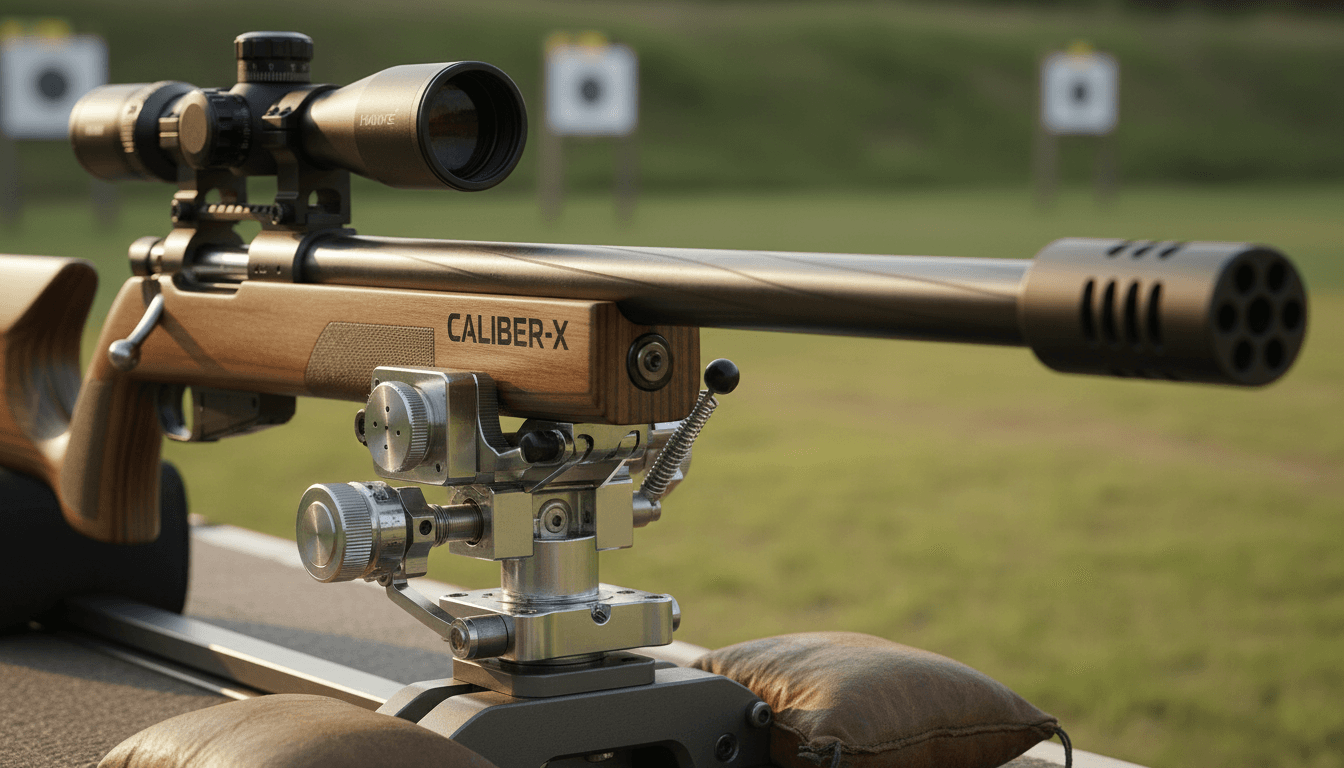
While red dots offer unmatched speed, the traditional magnified scope remains a staple in Vermont because of how it handles low light. A 3-9x40 or a 2.5-10x scope is often considered the gold standard for a reason. By 4:00 PM on a late November afternoon, the deep shadows of the hardwoods create a flat, gray environment where the human eye struggles to distinguish detail. This is where light transmission and glass quality become critical.
Unlike reflex sights, a quality scope with a 40mm to 50mm objective lens is designed to maximize light transmission. When you are looking into a dark cedar bog, that glass allows you to see through the gray and resolve textures that appear as solid shadows to the naked eye. We see many hunters choose these optics from our selection of firearms because they provide a significant advantage during the final thirty minutes of legal shooting light.
Objective Lens Size | Light Gathering Ability | Ideal Vermont Use Case |
|---|---|---|
32mm | Moderate | Lightweight brush carbines for midday tracking. |
40mm | High | The all-around standard for mixed woods and light. |
50mm | Excellent | Stationary hunting in dark timber or over small clearings. |
Magnification also serves as a vital tool for positive target identification. In thick brush, a red dot might only show you a brown shape against a brown background. Dialing a scope to 4x or 6x allows you to pick out the curve of a main beam or the white of a throat patch through a maze of maple saplings. This precision is essential for determining if a deer meets antler point restrictions or for simply threading a shot through a narrow opening in the timber. While a larger objective lens adds some weight, the ability to clearly identify your target in low light often makes it the best optic for deer hunting in the woods for those who prefer stand hunting over active tracking.
LPVO Sights: The Hybrid Solution for Modern Vermont Rifles
Low Power Variable Optics, or LPVOs, are the rising stars of the Vermont woods. These optics typically start at a true 1x magnification and scale up to 4x, 6x, or even 8x. For a hunter navigating the varied terrain around Rutland, this versatility offers a bridge between the raw speed of a red dot and the precision of a traditional scope. We are seeing more local hunters pair these with modern platforms like the 350 Legend or updated lever actions, creating a fast-handling rifle that can still reach across a clearing.
The primary draw of an LPVO is the true 1x setting. Unlike a traditional 3-9x scope that might leave you disoriented at close range, an LPVO at 1x allows for both-eyes-open shooting. This gives you the same situational awareness as a red dot when you are tracking through a thicket. However, when the terrain opens up, such as a power line cut or a logging road near Mendon, the ability to dial up to 6x provides a massive advantage for precise shot placement.
In the lpvo vs red dot debate, the choice usually comes down to environment. If you expect your entire day to be spent inside a cedar bog, the red dot wins on simplicity. But if your hunt moves from dense brush to a ridge overlook, the LPVO is the superior hybrid. Because these optics require precise eye alignment at higher magnifications, we recommend our professional scope mounting to ensure the eye relief is perfectly set for your specific length of pull. You can browse our selection of firearms at the shop to see how these versatile optics balance on modern brush guns.
Matching the Optic to Your Vermont Deer Rifle
Selecting the right glass depends heavily on your choice of caliber and how you plan to navigate the Green Mountain National Forest. For a dedicated brush gun, such as a lever-action 30-30, a compact red dot or a fixed 2.5x magnification optic is often ideal. These setups preserve the rifle’s quick-handling characteristics, which are essential when you are weaving through blowdowns and thickets.
If you carry a .308 or 30-06 for mixed terrain where you might encounter a 40-yard shot in the timber or a 150-yard shot across a clearing, a 2-10x scope is the most versatile choice. This range allows you to keep the dial low for maximum field of view in the woods while offering enough precision for longer reaches.
Rifle Type | Common Calibers | Recommended Optic |
|---|---|---|
Lightweight Carbine | 30-30, .44 Mag, .350 Legend | Red Dot or 1-4x LPVO |
Versatile Bolt Action | .308, 30-06, .270 Win | 2-10x40 or 3-9x40 |
Modern Brush Gun | .450 Bushmaster, .45-70 | LPVO or Reflex Sight |
Weight is a factor that many hunters overlook until they are five miles deep into the ridges. To maintain agility, we recommend choosing an optic in the 16 to 18 ounce range. Heavy, 30-ounce tactical scopes can quickly become a burden on steep Vermont slopes. When you browse our selection of firearms, consider how the total weight of the system will feel after six hours on your feet. Finding the best optic for deer hunting in the woods requires balancing this portability with the optical clarity needed for a clean shot. If you find a new rifle online, we can also assist with FFL transfers to get your setup to the shop for inspection and outfitting.
Common Pitfalls: Why Your Optic Might Fail in the Woods
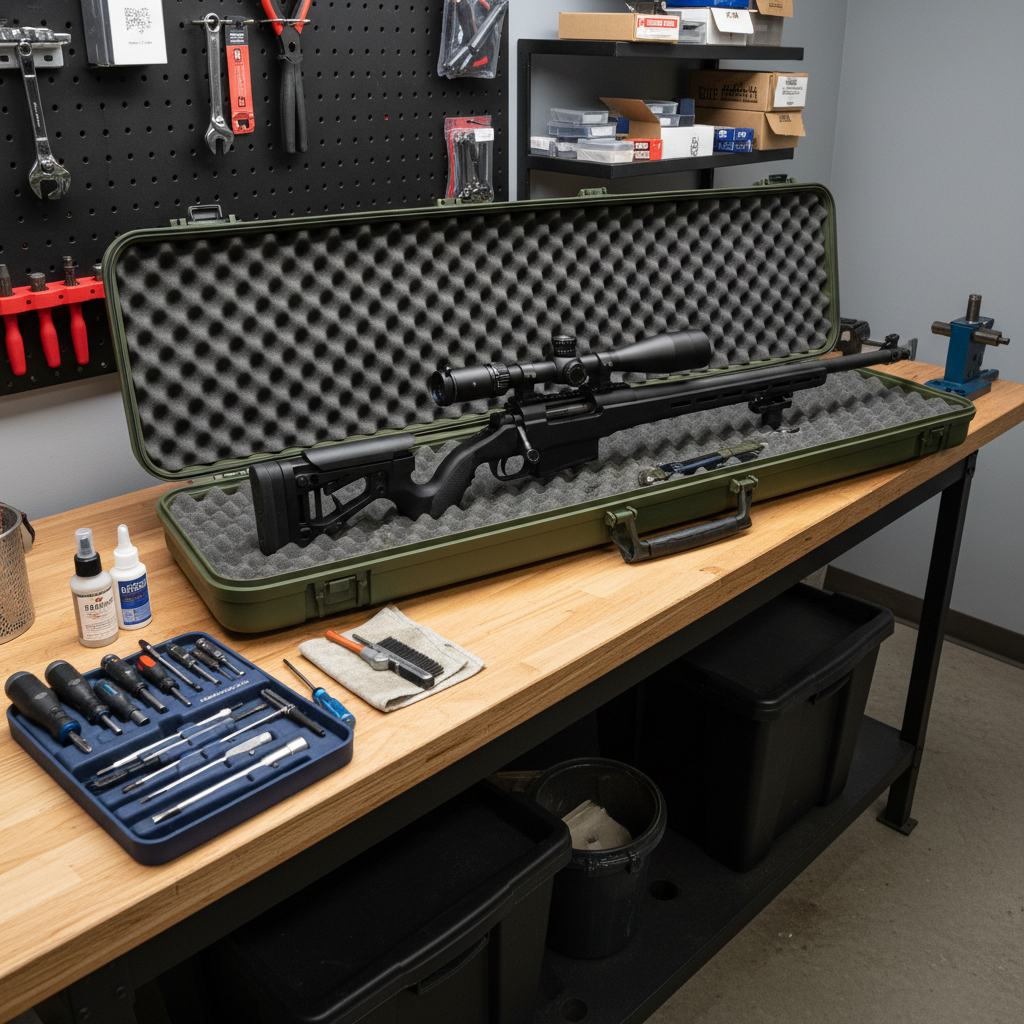
Even the best optic for deer hunting in the woods fails if it cannot withstand Vermont’s environmental extremes. Fogging remains a primary threat during damp November mornings. Lower-quality glass often lacks the proper internal nitrogen or argon purging required to prevent moisture from condensing inside the tube as temperatures shift. In a cedar bog at dusk, a budget red dot can also become a liability. If the emitter is not high-quality, the dot may flare or produce a starburst effect that washes out the target in low light; this makes a clean shot impossible during those final critical minutes of legal shooting light.
Physical durability is just as critical when navigating steep, rocky terrain. A heavy impact against a maple tree or a stumble on a slippery ridge can easily shift a scope that was not installed correctly. Utilizing professional scope mounting ensures that rings are properly torqued and the optic is leveled. This prevents the heartbreaking realization that your rifle no longer holds zero after a rugged morning trek through the Green Mountain National Forest.
Visit ELC Pews in Rutland for Professional Mounting and Selection

Stop by our shop in Rutland to get hands-on with our selection of firearms and optics before the season begins. Emily, Eric, Lee, and Mike understand that paper specifications only go so far. You need to shoulder the rifle to see how your eye aligns naturally with the glass and how the reticle appears against a dark background. We help you compare different platforms to ensure the eye relief is perfectly suited to your specific hunting jacket and length of pull.
Selecting the best optic for deer hunting in the woods is only half the battle. A scope that is not perfectly level, or rings that are not torqued to precise inch-pound specifications, will eventually fail during a rugged trek through the Green Mountains. Our professional scope mounting service ensures your investment is secured and zeroed for the reality of the Vermont woods. We take the guesswork out of the process, so you can head into the hardwoods with complete confidence in your gear.