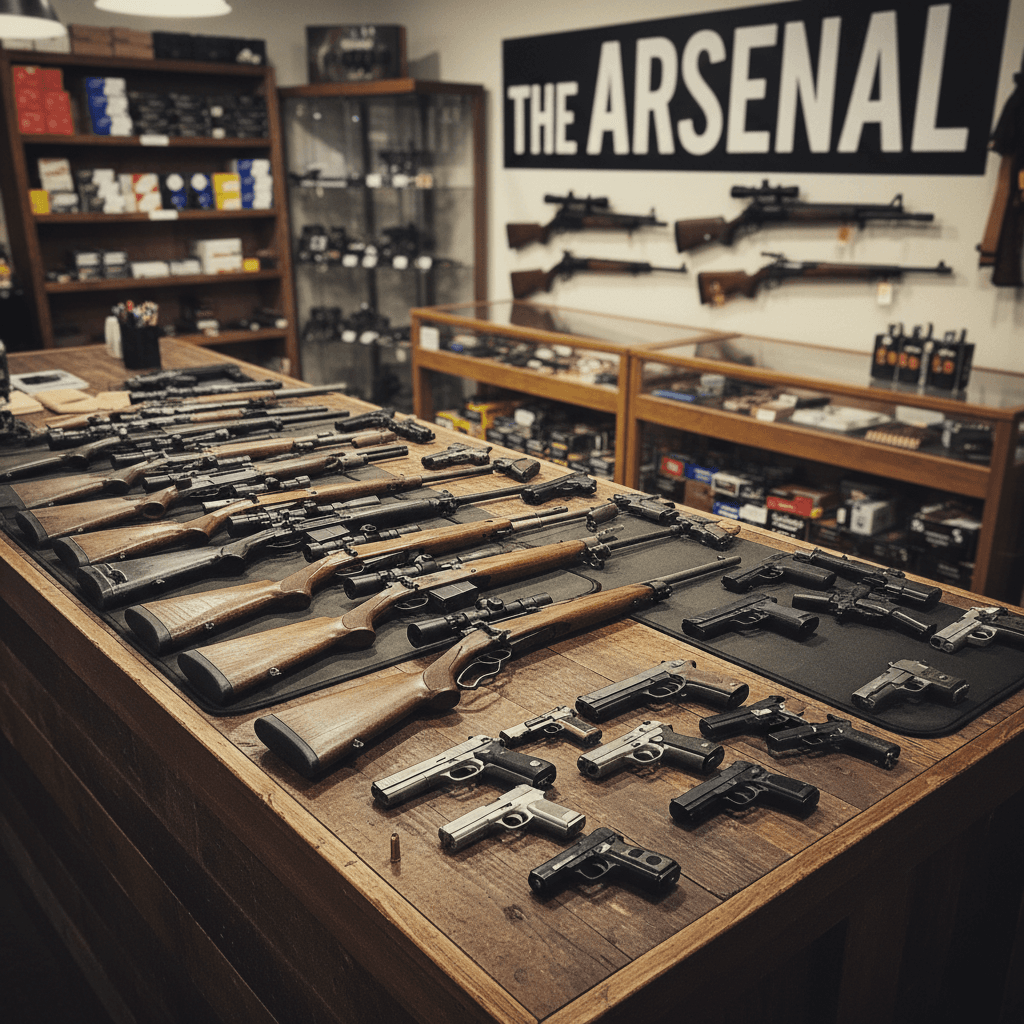

Prioritize inspecting the bore for pitting and the muzzle crown for damage to ensure accuracy when considering what to look for when buying a used rifle. Check the stock for cracks and the metal surfaces for rust or excessive wear; additionally, verify that the action and safety function correctly before completing the purchase. Researching the seller and confirming that the rifle fits your specific needs will guarantee a safe and effective firearm for hunting season.
Scouring the used rack for a reliable deer rifle often feels like a high-stakes gamble where the cost of failure is a wasted season. Whether you are hunting the thick brush of the Northeast Kingdom or watching a ridgeline in the Green Mountains, you cannot afford a rifle that suffers from a neglected bore or a compromised action. While buying used is an excellent way to acquire high-quality steel at a fair price, the harsh Vermont climate can hide serious structural issues beneath a thin coat of oil. This guide provides a professional framework for evaluating your next purchase. You will learn how to inspect the crown for accuracy potential, verify the integrity of safety mechanisms, and navigate the specific legalities of Vermont firearm transfers. By mastering these inspection techniques, you can avoid common red flags and ensure your rifle performs when the shot of a lifetime finally presents itself.
Why Buying Used is a Smart Move for Vermont Hunters
Vermont rifle season, running from November 30 to December 13, is the highlight of the year for many hunters in the Rutland area. As opening morning approaches, the search for a reliable deer rifle intensifies. Opting for a pre-owned firearm is often the most strategic move for local hunters looking to maximize their investment. By browsing a current used firearm inventory, you can often secure a premium action or high-end optics for the same price as a budget grade new rifle.
Rutland has a deep rooted hunting culture where reliable brush guns like the .30-30 Winchester or the versatile .30-06 Springfield are passed down through generations or traded as hunters upgrade their kits. These rifles are built to last, but buying one requires a different approach than pulling a fresh box off the shelf. While the value is undeniable, hunters must develop a keener eye for detail. Understanding what to look for when buying a used rifle is the difference between finding a hidden gem and inheriting someone else's maintenance headache. A used rifle carries a history of past seasons in the Vermont woods; therefore, you must verify its mechanical condition and barrel integrity before relying on it in the backcountry.
Inspect the Bore and Crown for Accuracy Potential
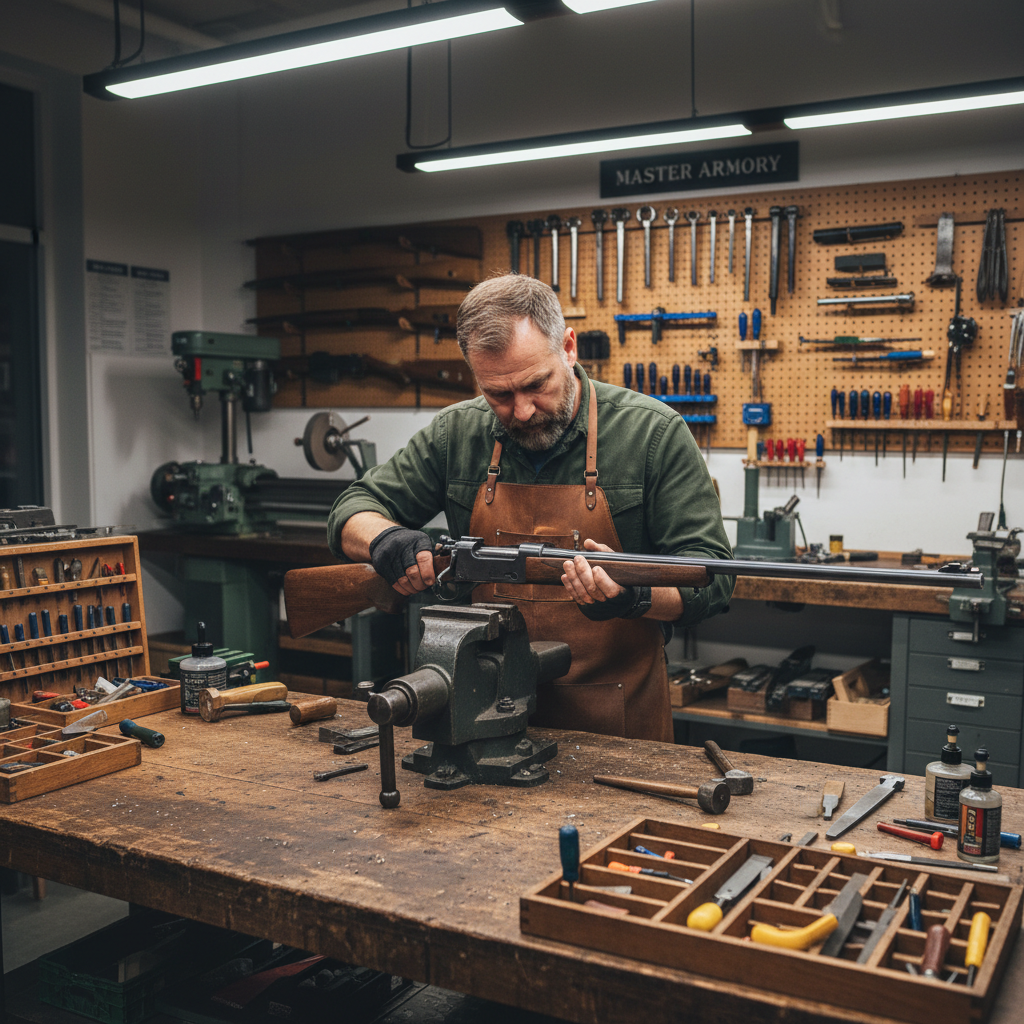
The internal condition of the barrel determines if a used firearm is a precision tool or a paperweight. When evaluating what to look for when buying a used rifle, the bore should be your first priority. A barrel is considered "shot out" when the rifling, those spiral grooves that stabilize the bullet, has become shallow or smoothed over from excessive use. To diagnose this, drop a bore light into the action or reflect light off a white card at the breech while looking through the muzzle. You want to see sharp, well-defined edges on the lands and grooves. Dark patches, textured surfaces, or orange flecks indicate rust and pitting, which can catch copper fouling and ruin consistency.
Equally critical is the muzzle crown, which is the recessed area at the very tip of the barrel where the bullet exits. The crown is the final point of contact between the rifle and the projectile. It is designed to allow propellant gases to escape evenly around the base of the bullet. If there is a nick, scratch, or uneven wear on this edge from being bumped against a truck floor or a rock, the escaping gases will push more on one side of the bullet than the other. This causes the projectile to yaw as it begins its flight. Even a microscopic defect here can cause a rifle that should shoot one-inch groups to scatter shots across the target.
Determining if a barrel is worn out requires patience and the right tools. Pay close attention to the "throat," the area just in front of the chamber. This is where the highest heat and pressure occur, and it is usually the first place to show signs of "alligatoring" or heat checking. If the rifling looks smooth or non-existent in the first few inches, the rifle's accuracy potential is likely gone. At ELC Pews, we understand that these details are hard to spot without experience. We can help you perform a thorough professional cleaning and inspection to ensure the rifling is crisp and the crown is factory perfect before you head into the Vermont brush.
Testing the Action and Safety Mechanisms
Once you are satisfied with the bore's condition, shift your focus to the mechanical interaction of the components. When evaluating what to look for when buying a used rifle, the "feel" of the action speaks volumes about its history. Open the bolt and cycle it several times. A well maintained rifle will have a "worn-in" feel, meaning the moving parts have polished each other through years of use, resulting in a slick, effortless glide. Distinguish this from an action that is simply loose or "sloppy." If the bolt has excessive side to side play when partially open or feels like it is rattling within the receiver, the tolerances may be dangerously compromised.
Perform a meticulous visual scan for signs of amateur gunsmithing. Examine the screws on the receiver and the trigger guard; if the slots are burred or chewed up, it indicates the wrong tools were used. This is often a red flag that an unqualified owner has tinkered with the internal springs or sear engagement.
A proper function check follows these steps: 1. Verify the firearm is completely unloaded and the magazine is empty. 2. Cycle the action and engage the safety. Pull the trigger firmly; the sear should not release. 3. Disengage the safety and, only after asking the seller for permission, dry fire the rifle to check the trigger's break. 4. Cycle the bolt again to ensure the firing pin resets and the extraction stroke is positive.
Be wary of triggers that feel dangerously light. While a hair trigger might seem appealing, a hunting rifle used in the cold Rutland woods needs a predictable pull weight that won't discharge prematurely when handled with gloved fingers. If you are handling a private sale, we can facilitate Vermont FFL transfers and provide a professional cleaning and inspection to ensure the safety mechanisms are factory-spec before you take it into the field.
Checking the Stock for Hidden Damage
Vermont hunting conditions are notoriously harsh, often involving heavy snow, freezing rain, and late season sleet. These high moisture levels make the stock a critical point of inspection. When determining what to look for when buying a used rifle, start at the tang, the narrow area where the metal receiver meets the wood. Search for hairline cracks or dark, soft spots where the finish has failed. Cracks at the wrist or tang indicate that the wood has dried out or been subjected to excessive recoil, which ruins the bedding of the action. If the action is not seated perfectly, your point of impact will shift every time the wood swells or shrinks in the Rutland humidity.
Traditional wood stocks offer a classic aesthetic, but they require a professional cleaning and inspection to ensure no rot is hidden beneath the surface. Modern synthetic stocks provide better stability against Vermont’s erratic weather, but you should still check used polymer for cracks around the recoil lug or warping at the forend. A damaged stock is more than just an eyesore; it is a safety hazard that can split further during a shot, potentially injuring the shooter. Review our current used firearm inventory to see examples of well maintained stocks that have been properly cared for through many Vermont winters.
How to Buy a Used Gun Legally in Vermont
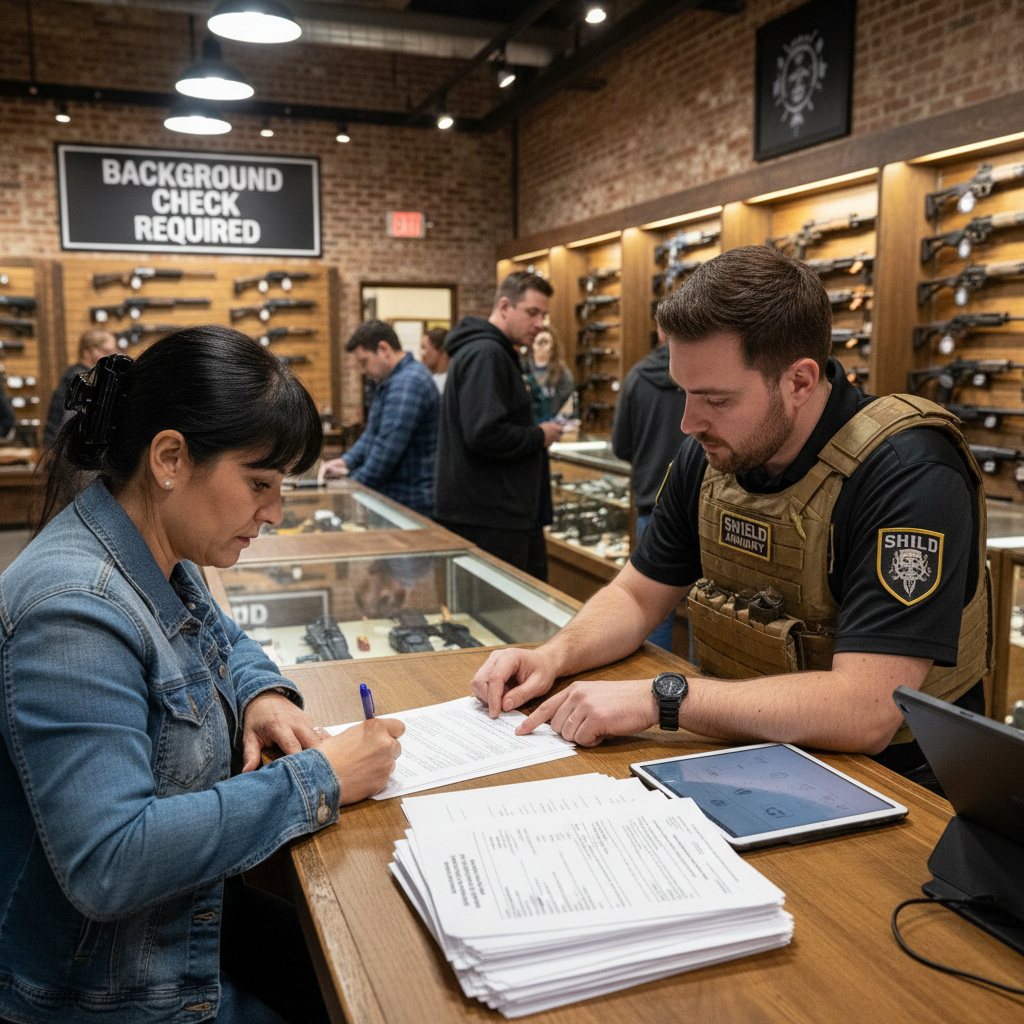
Navigating the legal landscape is just as critical as knowing what to look for when buying a used rifle. In Vermont, the traditional handshake deal has been replaced by more stringent requirements designed to ensure every transfer is documented. Since 2018, nearly all private sales between unlicensed individuals must be facilitated by a Federal Firearms License (FFL) holder. If you find a potential deer rifle through a private listing, both the buyer and seller must visit a shop to perform the required background check. At ELC Pews, we facilitate Vermont FFL transfers to make this process seamless and legally compliant for the local Rutland community.
Buying directly from a dealer simplifies this process significantly. When you select a rifle from our current used firearm inventory, we manage all the legal legwork on-site. It is important to account for Vermont’s 72-hour waiting period, which applies to most firearm purchases. However, there is a key exemption for many hunters; if you have completed a certified hunter safety course, you are generally exempt from the 72-hour wait, allowing for a same day purchase once the NICS background check clears.
You must also ensure the rifle’s specifications meet state law. Vermont restricts magazine capacity to 10 rounds for long guns. When evaluating a used semi-automatic or a lever-action with an extended magazine tube, verify that the capacity is compliant before finalizing the sale. Once the legalities are settled, we recommend a professional cleaning and inspection to verify that your new purchase is ready for the unpredictable weather of a Vermont November.
The Importance of a Professional Post Purchase Inspection
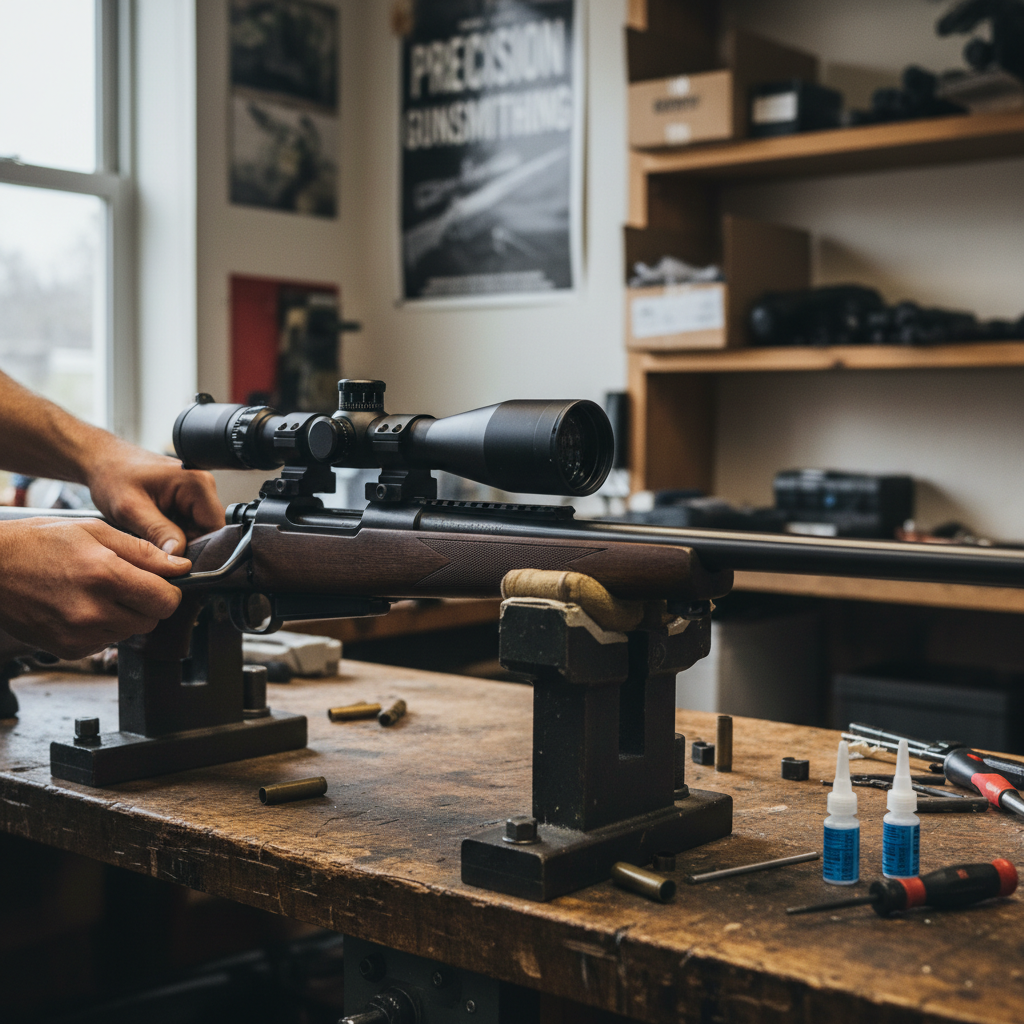
Once the paperwork is finalized and the waiting period is over, the work is not quite done. A crucial step in understanding what to look for when buying a used rifle is recognizing that what you see on the surface rarely tells the whole story of the internal mechanics. For a rifle destined for the Vermont woods, a professional cleaning and inspection is a mandatory safety measure rather than a luxury.
Old lubricants are a primary concern. Many used rifles have sat in closets or safes for decades, where factory grease or heavy oil has slowly degraded into a gummy, wax-like substance. While this might not affect a rifle at a warm indoor range, it becomes a liability in a Rutland November. When temperatures plummet, that old grease thickens and can slow down the firing pin enough to cause a light primer strike. There is no greater frustration than lining up a shot on a mature buck only to hear a dull click because the internals were fouled with thirty-year-old cosmoline.
Beyond the action, we ensure your optics are properly indexed and torqued. Our team at ELC Pews provides comprehensive scope mounting and cleaning services to ensure your used purchase is truly field ready. We check for gas leaks in the bolt, verify headspace, and remove the hidden carbon buildup that standard bore snakes miss, ensuring your opening morning is defined by success, not mechanical failure.
Common Used Rifle Red Flags to Avoid
Identifying deal breakers is a vital part of knowing what to look for when buying a used rifle, as some defects make a firearm unsafe or unreliable regardless of price.
Red Flag | Why It Matters |
|---|---|
Mismatched Serials | Indicates swapped parts; suggests dangerous headspace issues. |
Chamber Pitting | Causes spent brass to stick, leading to failures to extract. |
Salt Wood Damage | Permanent chemical corrosion caused by salt-cured wood stocks. |
Barrel Bulges | Visible or felt rings signify a past, dangerous barrel obstruction. |
Bring any potential purchase to ELC Pews for a professional cleaning and inspection to confirm these components meet safety standards. We can also handle the necessary Vermont FFL transfers to ensure your transaction is fully compliant before you head into the Rutland brush this season. Selecting from a reputable current used firearm inventory remains the best way to avoid these pitfalls, as professional shops pre-screen for these mechanical failures.